
Booking Deposit for Personal Training: When to Ask
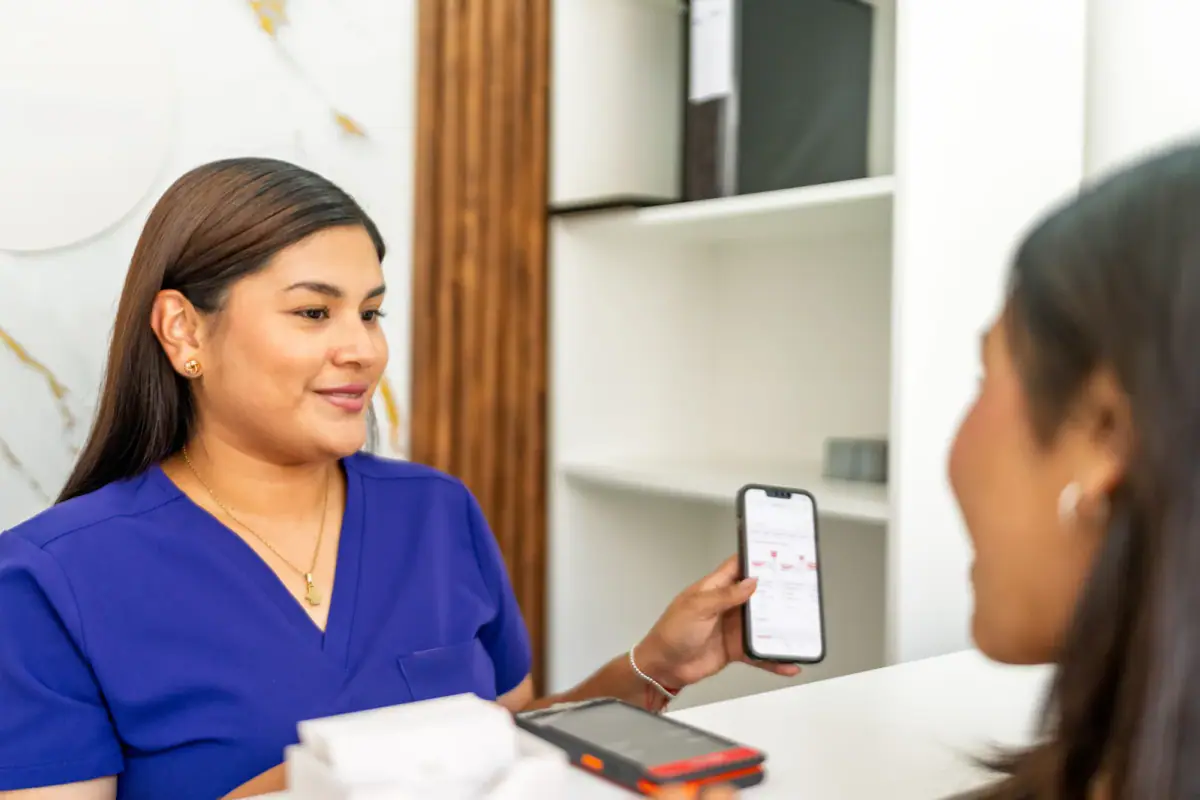
Ask for a booking deposit at the two moments no-shows hurt most, a new client’s trial and the start of a large package, and make it refundable and credited toward the first session. Done that way, it feels like a reservation rather than a fee. A free hour for fitness professionals is available through the FlexWerk get started page, which pairs well with testing a deposit on your first trial clients.
Why first sessions are the risky ones
A returning client has a habit and a relationship with you. A prospect booked from an enquiry has neither. They are the most likely to forget, to get cold feet, or to double-book. When you also have a room reserved, a first-session miss costs the rent and an hour you could have sold. A deposit changes the arithmetic by giving the client a small, recoverable stake.
If you want to compare this with a landlord’s deposit on a studio, the gym space deposit answer covers why leases collect them and why hourly booking differs.
When to ask and when not to
| Situation | Deposit? |
|---|---|
| New-client trial or assessment | Yes, small, credited to the session |
| Start of a large package | Yes, credited to the first payment |
| Established monthly client | No |
| Referral from a current client | Optional, since the relationship does the work |
| Free consultation | Usually no, to keep the barrier low |
If a trial is free, consider a deposit only for the first paid session, not for the consult.
Sizing it
Anchor the amount to something concrete. The floor is the cost of the room hour you will hold; with space booked through an hourly app, that is a published figure. Add a small margin for your time, and keep it well under the session price so it feels like a hold. A deposit of a quarter to a half of a session is common. Choose a number you will be comfortable returning in full.
The terms, in order
- What it is: a reservation hold, credited to the first session.
- When it is refundable: if the client cancels inside your window.
- When it is kept: a late cancel or no-show, applied to your fee, no more.
- How it is taken: by card, with the terms visible at checkout.
Taking a card at that moment also gives you the stored payment method discussed in the card on file guide. The fee you might apply to a miss is explained in late cancel fee amounts.
A note on keeping it clean
Never keep a deposit beyond the amount of your documented loss, and do not roll an unclaimed deposit into something the client did not agree to. Refund promptly when the terms say so. A deposit that is returned quickly when it should be builds more trust than any policy statement.
When to drop the deposit
A deposit is a tool for a specific problem. If your first-session no-show rate is already low, a deposit adds friction without payoff. Track the numbers for two months with and without it, if you can, and compare. Drop it for referral clients, for people who book through a trusted introduction, and for anyone who has trained with you before. If you find that only a few prospects balk, keep it. If a large share abandon at the payment step, shrink the amount or move it later in the booking flow.
A short script
“To hold your trial on Thursday at 6, I take a refundable deposit that comes off the session. If you need to change it before Wednesday evening, it goes straight back.”
If you are weighing the cost of holding rooms for prospects, a free first hour for fitness professionals is a low-risk way to test your trial format.
Related questions
Will asking for a deposit scare off new clients?
Some, usually those who were unlikely to show. Framing it as a refundable hold that comes off the first session rate makes most prospects comfortable.
How much should a deposit be?
Enough to matter and well below the session price, such as a quarter to a half of a session, or the cost of the room hour plus a little. Choose a number you will not mind refunding.
Do deposits need to be refundable?
State the terms before you take the money. A refund when the client cancels inside the window is the fairest and the easiest to defend.