
Boxing Gloves and Wraps: Who Supplies Them in a Rented Space
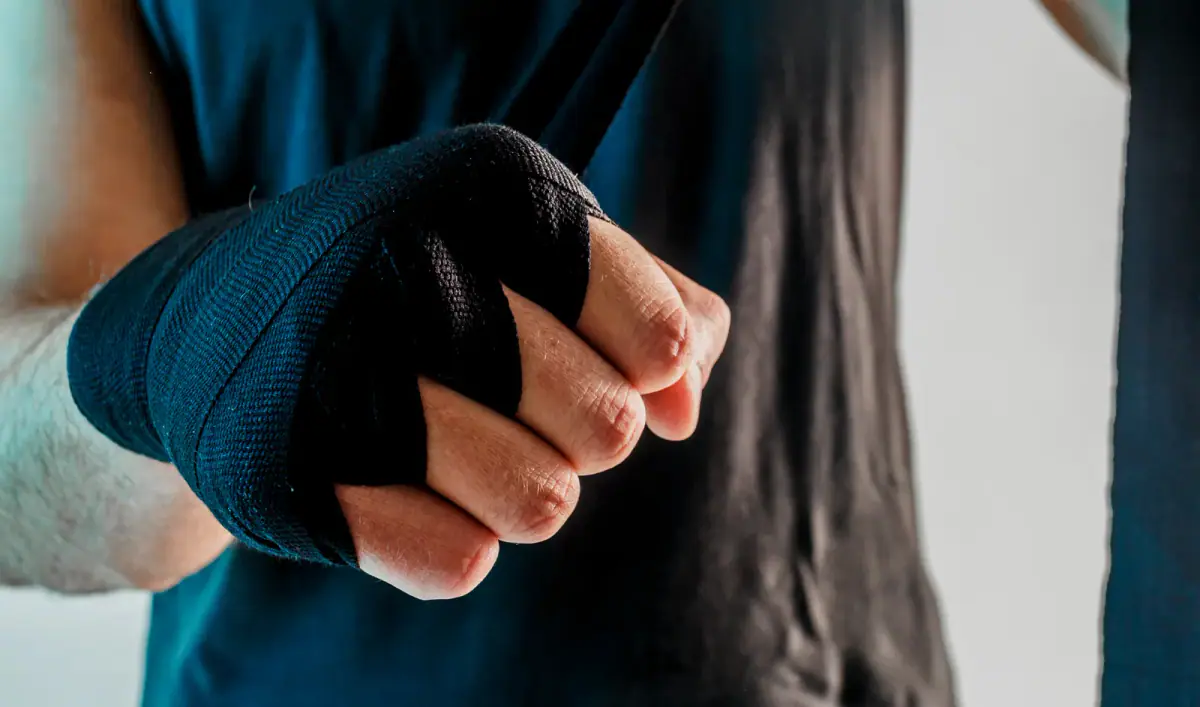
In a rented private space, the person running the boxing session brings the gloves, wraps and pads, because the room supplies a lifting rack, cable system, dumbbells and cardio machines, not striking gear. That makes three practical questions worth settling before the first round: whose gloves are used, how they stay hygienic, and what fits whose hands. If you are renting a private workout space for boxing fitness, here is a simple routine that covers all three.
Who brings what
| Item | Usually brought by | Why |
|---|---|---|
| Hand wraps | Each person, personal | Worn against the skin and absorb sweat |
| Gloves | Each person if possible, otherwise the coach | Fit and hygiene |
| Pads and mitts | The coach | Part of the coach’s kit |
| Water bottle | Each person | Bring your own |
| Timer or music | The coach, using the room’s screen and streaming | Sets the round rhythm |
The room is built for strength and conditioning, so plan on rounds of pad work between stations rather than expecting any boxing apparatus on site. For the broader rules on carrying your own equipment in and out, see bringing your own equipment to a training space, and for the room’s inventory see what is in a FlexSpace.
Glove hygiene in a few habits
Shared gloves are the one piece of equipment that touches everyone’s skin, so hygiene is mostly habit:
- Wraps first, always. A fresh or freshly washed pair under every glove keeps most sweat off the lining.
- Air out after each session. Open the glove fully and let it dry somewhere ventilated, not inside a closed bag.
- Wipe the outside and the palm with a cloth before packing.
- Wash wraps after each use.
- Do not share gloves between two people in the same hour if either has a skin issue.
How rooms are reset between bookings is a facility question covered in whether rented gym spaces are clean; the gloves themselves are your responsibility.
Sizing for a first session
A simple fit routine takes two minutes. Put on the wraps, slide the hand in, and make a fist. The glove should close snugly without squeezing the knuckles or leaving a gap at the thumb. The cuff should sit comfortably against the wrist with the strap holding it steady. Light pad rounds are less demanding than heavy bag work, but a loose glove makes the wrist wobble at impact. If someone cannot get a comfortable fit, shorten the round or switch to open-hand drills until they can.
If you are the coach: wraps as a small revenue line
Many coaches sell wraps and entry level gloves at cost plus a small margin. Treat it as a service, not a profit center: it solves the “I do not own any” problem for beginners and removes a barrier to booking. Keep a few sizes, state the price clearly, and keep receipts for your own books. Ask your tax professional how to record inventory sales, since the details depend on your business.
When to see a clinician first
Anyone with a wrist, hand or shoulder injury, or a medical condition that affects exercise, should check with a physician before boxing fitness. If you want a coach for your own training, flexwerkfitness.com offers a free consultation. Next step: pick a pair of wraps, test a glove fit before the session and book your room with the gear already in the bag.
Related questions
Does a rented training space provide boxing gloves?
At FlexWerk the equipment is a lifting rack, cable system and dumbbells in strength spaces, and cardio machines in cardio spaces. Boxing gloves, wraps and pads are brought in by whoever runs the session.
Should I buy my own gloves before the first session?
If you plan to box more than once, yes. Personal gloves fit your hands, stay hygienic and avoid sharing sweat. For a one-off trial, ask the coach what they bring.
Are hand wraps necessary?
Wraps are commonly used under gloves to add wrist support and absorb sweat. Ask your coach what they recommend, and see a clinician before boxing if you have a wrist or hand injury.