
How to Charge for Private Barre Sessions
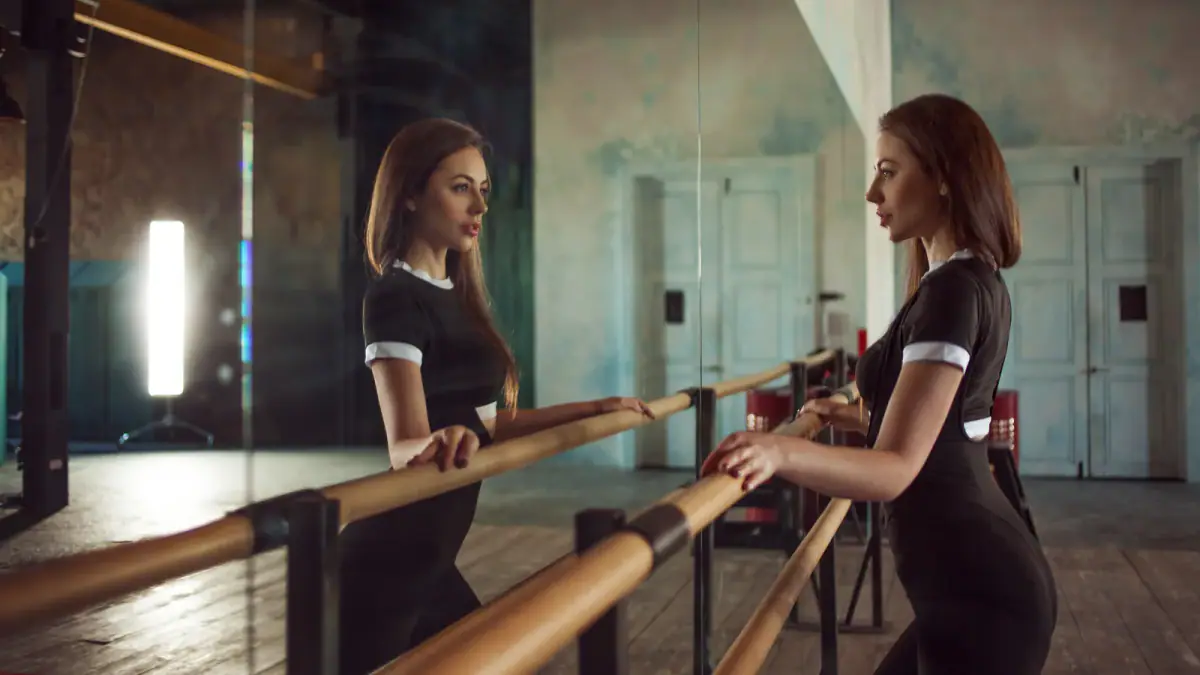
Charge for a private barre session by building the rate from your own costs, hours and positioning, and treat the class drop-in price only as the number the client will compare you against. A private hour contains something a class cannot: your whole attention, cues adjusted to one body, and a schedule built around the client. That is a different product, so it earns a different price. Here is how to build it, then test it in a room you book through FlexWerk with the first hour free.
Build the rate from the bottom up
Start with the hour you cannot bill: travel, setup, messages, reviewing notes. Then the hour you can bill. A simple method:
- Write the monthly income you want from private barre alone.
- Add your fixed costs: insurance, music licensing if you use it, software, the cost of your portable barre spread over a year.
- Add the room cost for each booked hour. At FlexWerk, hourly spaces run from $18, with a range of $18 to $22 depending on the room, and you book only the hours you teach.
- Divide by the number of paid hours you can realistically fill each week, not the number you hope to fill.
The answer is your floor. Anything below it means you are subsidizing the client.
Price against the right comparison
If this, then that: if the client is comparing you to a class pass, explain what the private hour includes and let the per-person math speak; if the client is comparing you to a personal trainer, remember that barre is a specialty format with its own credentials and that you are not obliged to match a generalist rate. No public rate range for barre privates is quoted here, because none was verified from a named source, so test your number with a few real inquiries and adjust, rather than copying a figure from another profession.
Price the duo as one product
A duo works best as a single fee for the pair. It should sit above your solo private rate and below two privates added together, so each person pays less than they would alone while your hour earns more. Friends booking together also tend to book weekly, which matters for steady income.
Packages versus single hours
Many instructors find a small block of sessions sells better than single hours, for the same reasons laid out in per-session versus packages. Keep the first session as a stand-alone trial, then offer the block once the client has felt the difference.
Say it simply when asked
Have one sentence ready. “A private session is 55 minutes of barre built around you, with a free first consultation, and a pair can share it.” Then quote the number and stop talking. Hesitation lowers prices faster than any competitor does.
Credentials and equipment shape the number too
Clients paying a premium often ask what you are certified in, and the answer to that is covered in what to certify in for barre. Your equipment choice changes your setup time and what you can offer, which portable barre for private sessions works through in detail.
Because you keep everything you charge, the math is yours to tune. Next step: set your floor with the five lines above, then book your free first hour and run a real private to see how the room feels at that price.
Related questions
Should a private barre session cost more than a class drop-in?
Per person, yes. The client is paying for your full attention, adjusted cues and a schedule built around them, none of which a class can offer. The drop-in price is a reference point, not a ceiling.
How should a duo session be priced?
Quote one session fee for the pair, set above your private rate but below two privates, so each person pays less and you earn more for the hour. State it as a single price, not a discount.
Do I need to publish public prices?
Not necessarily. Many instructors list a starting price and invite a short call, which lets them explain the format before anyone compares it with a class pass.