
Home Exercise Program Software for Physical Therapists
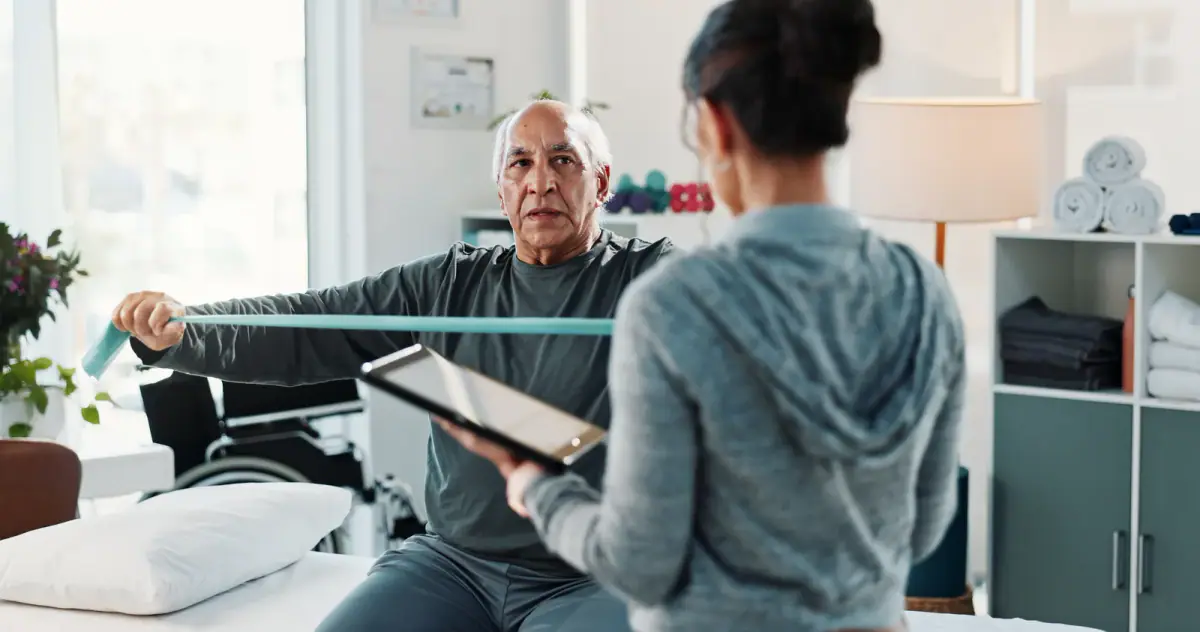
A solo cash PT needs home exercise program software that does three things well: a deep video library, a patient link that opens on any phone, and a simple record of whether the patient did the work. Everything else, from billing modules to bundled charting, is a cost to question. If you work out of a rented treatment room, the software also has to be light enough to run from a phone or tablet between patients.
Start with the patient’s phone
Open every candidate on your own phone with no account. Does the exercise video load fast? Can a patient read the instructions at arm’s length while standing in a kitchen? Can they play the video again without help? A tool that demands an app download, a password and a sign-up before the first rep will lose patients before the second visit. The best software behaves like a text message: you tap, they tap, they exercise.
A decision checklist
- Exercise library. Are there enough clear videos for your caseload, including the less common movements you use? Look at the angles and the pace of the demonstrations.
- Custom content. Can you record your own short clip, and add your own notes to each exercise?
- Dosage. Can you set sets, repetitions and frequency, and change them in a minute?
- Patient access. Does it work as a link, an email or an app, and does the patient need an account?
- Compliance tracking. Can you see whether they opened it and logged sessions?
- Cost model. Is it per therapist, per patient or per program, and what happens when you hold a quiet month?
- Export. Can you get your programs out if you switch tools?
What to skip
- Bundled EHR and billing. If you are cash-based and keep records in a separate system, a second charting product is duplicate cost. Whether your documentation obligations are met is a question for your licensing board, not a software salesperson.
- Heavy branding add-ons. Your name on a handout is nice; a custom portal is a later decision.
- Large patient engagement suites. Reminder texts and messaging are useful, but only if you will actually use them.
Where the software meets the session
A home program is a handoff: you teach it in the room, the patient practices it at home, and the next visit starts by checking in. The room helps. A private space with a screen lets you pull up the program on the TV or monitor, set the lighting where the patient can see the demonstration clearly, and keep music streaming low while you coach. FlexSpaces also have WiFi, so cloud-based tools work without tethering to a phone. FlexWerk provides the room only; every clinical tool and every patient record belongs to you.
Compare against what trainers use
Trainers have their own app landscape, and parts of it overlap with what a PT needs. The coaching apps comparison and the solo trainer tech stack show how independents think about cost and clutter, which is a useful lens even though your documentation needs differ.
Price it as a whole practice
A tool that costs a small monthly fee is trivial against a full caseload and a heavy burden against two patients. Add it to your list next to the room, which runs from $18 to $22 an hour with no lease or membership, insurance and your own time. Each PT sets their own fees. FlexWerk fitness professionals get a first free hour through get started.
A one-week trial
Pick two tools, write the same three-exercise program in each, send both to a friend, and ask which one they would use. The winner is the one a non-clinician can open, follow and finish.
Related questions
Do I need software that includes an EHR?
Not necessarily. A cash practice may keep records elsewhere, and a bundled record system can double the cost for a feature you do not use. Check what your documentation duties require before choosing.
Is a free tool good enough?
For a handful of patients it can be. The limits to test are video quality, branding and whether a patient can open the program without creating an account.
How do I know patients actually use the program?
Pick software that shows whether a patient opened it and logged sessions, then use that in the next visit as a conversation, never a scolding.