
How Long to Keep Receipts as a Self-Employed Trainer
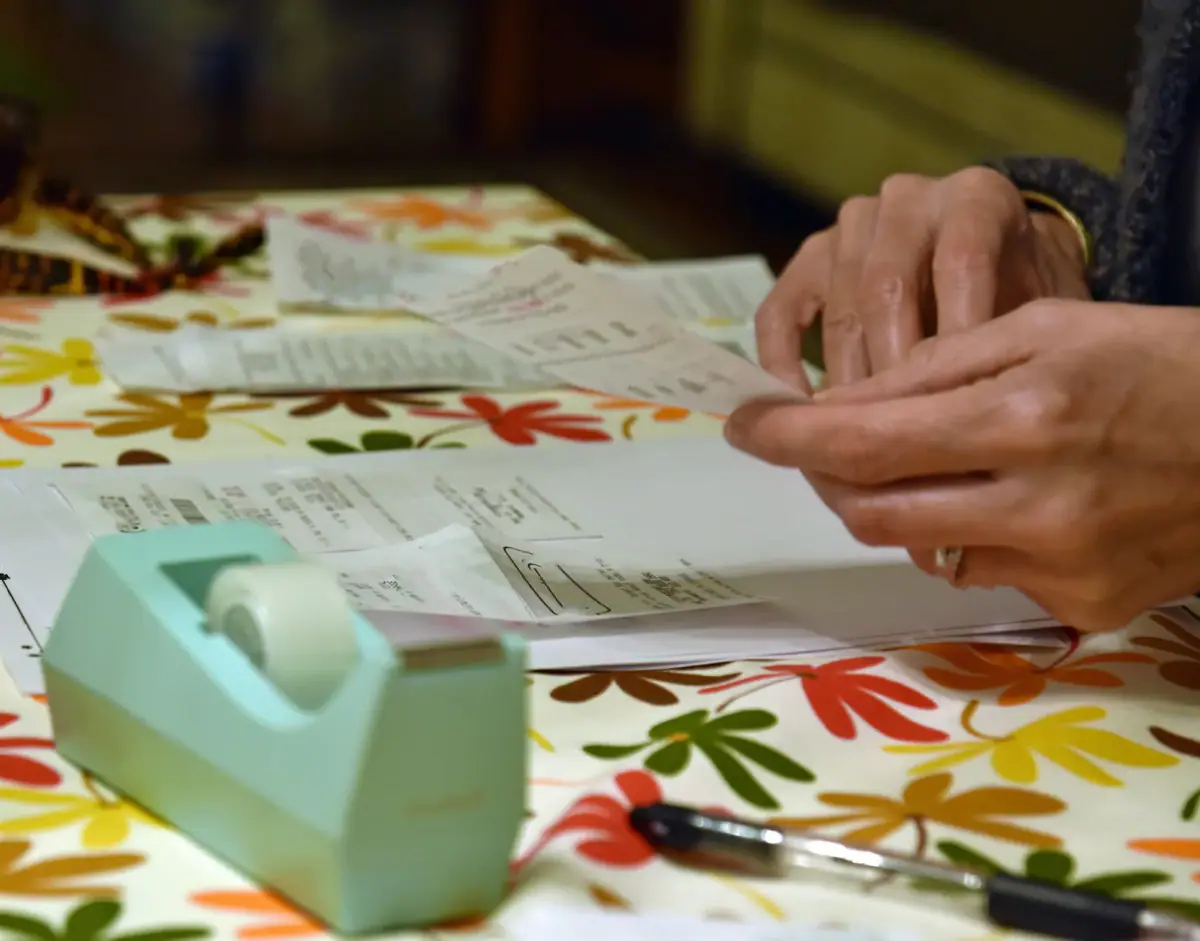
A self-employed trainer should keep receipts and tax records for at least three years from the date the return was filed, and longer when the records support equipment, employees or a situation the IRS lists, so the safest habit is a simple one: keep everything for seven years and keep property records until the item is gone plus the limit. The three-year number is the floor, not the plan. This page sets out the IRS periods by record type and a digital filing habit that needs no bookkeeper.
What the rule says
The IRS says to keep records for 3 years if none of the longer situations apply. It says to keep records for 3 years from the date you filed your original return, or 2 years from the date you paid the tax, whichever is later, if you file a claim for credit or refund. It says to keep records for 6 years if you do not report income that you should report and it is more than 25 percent of the gross income shown on your return, and for 7 years if you file a claim for a loss from worthless securities or a bad debt deduction. It says to keep records indefinitely if you do not file a return or if you file a fraudulent return. Employment tax records should be kept for at least 4 years after the date the tax becomes due or is paid, whichever is later, and property records should be kept until the limitations period expires for the year you dispose of the property (irs.gov, how long should I keep records, checked October 2026). This is general information, not tax advice, and rules change.
Retention by record type
| Record | Keep for | Why |
|---|---|---|
| Receipts, invoices and bank statements for deductions | At least 3 years from filing | Support the income and deductions on the return |
| Mileage log and travel records | At least 3 years from filing | Prove time, place and business purpose |
| Equipment purchase records | Until the limitations period ends for the year you dispose of it | They set depreciation and gain or loss |
| Payroll and employment tax records | At least 4 years after the tax is due or paid | Employment tax rule |
| Copies of filed returns | Keep with the records, ideally permanently | Show what you reported |
| Records for a year with no return filed | Indefinitely | IRS rule |
A trainer who rents rooms and buys little gear will mostly deal with the first three rows. A trainer who buys a rack or a bike adds the property row, as described in the Section 179 guide.
The simple rule most trainers adopt
Seven years is a clean standard. It covers the three-year baseline, the six-year situation and a margin. For equipment, keep the purchase record for as long as you own the item and for the period after you sell or retire it. The cost of storing digital files for seven years is close to zero, and the cost of missing a record in a review is not.
A digital habit that needs no bookkeeper
- Capture at purchase. Photograph paper receipts the same day, or ask for an emailed receipt.
- One folder per year, subfolders by month. Name files with date, vendor and amount, such as “2026-03-14 software 29.00.”
- Forward email receipts to a dedicated address or folder.
- Match to the statement monthly. The monthly close in the bookkeeping guide takes thirty minutes and catches missing receipts while you can still find them.
- Back up in a second place. A cloud copy and an external drive cover most failures.
- Add a note when the purpose is not obvious, such as a meal or a trip. The deduction checklist shows which items need one.
Mistakes that cost trainers
- Keeping only bank statements, which show a charge but not what it was for
- Photographing receipts that fade, then losing the image
- Throwing out records for a year because a return was accepted
- Mixing personal and business receipts in one pile
- Forgetting to keep the filed return itself
Who to ask
Retention can interact with a loan, a lease, an insurer or a state rule, and any of those may ask for longer than the IRS does. Ask your CPA about the longest period that applies to you, then set one rule for everything.
A lean setup makes this easier. A trainer using an hourly room has one clear rent record per month, and the remaining receipts are a short list. A first booked hour is free for fitness professionals, so the habit can start with the first session.
Related questions
Can I keep photos of receipts and throw away the paper?
Many trainers do, but confirm the standard with your CPA. Whatever you keep, check that each image is readable, stored where you can find it by year and backed up. A blurry photo of a faded thermal receipt is not a reliable record.
Do I keep the same records for a business I closed?
Yes. The retention period runs from filing the return that used the records, not from the life of the business. Closing a practice does not shorten it, and employment records follow their own period.
What if I did not file a return one year?
The IRS says to keep records indefinitely if you do not file a return. If you have a gap, talk to a CPA before discarding anything from those years.