
How to Price a Fitness Workshop for Local Clients
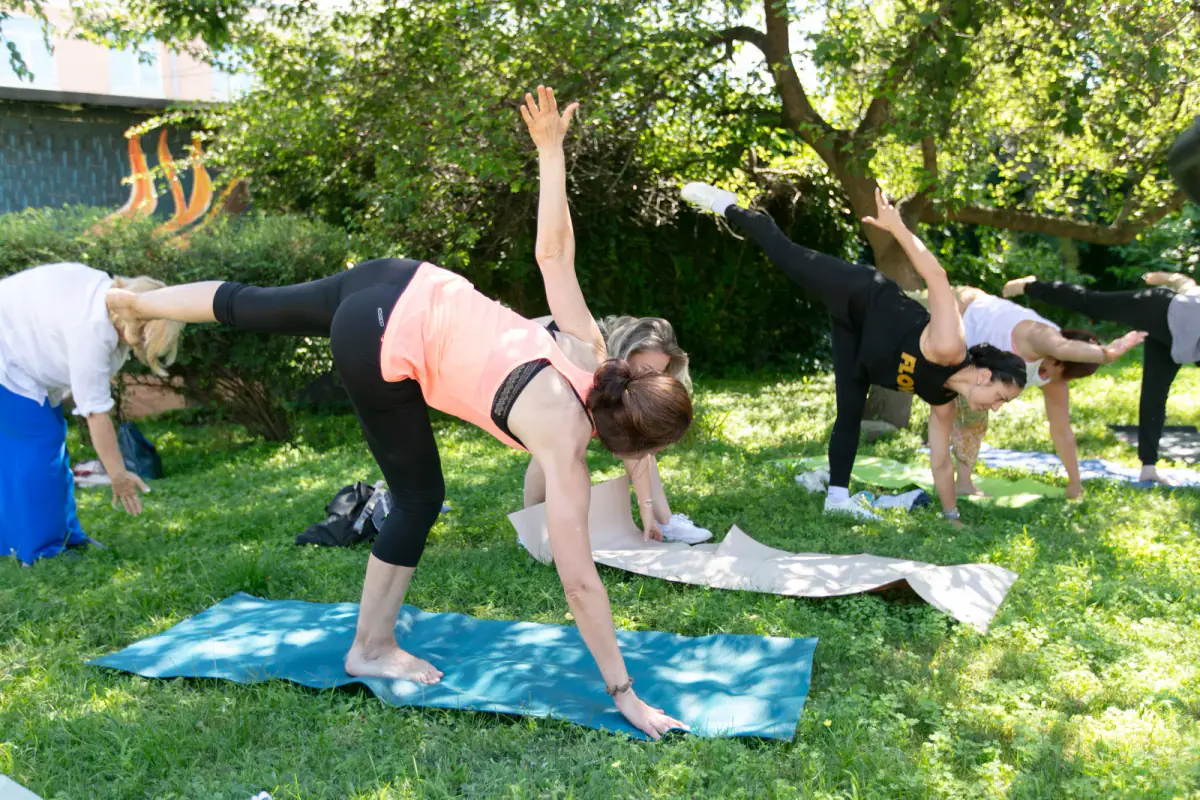
Price a fitness workshop by adding the room hours, your preparation and delivery time and any materials, then dividing by the number of people you realistically expect, and set a minimum headcount so you never run it at a loss. The ticket is the answer to a break even question, not a guess at what people will pay.
Capacity is the first constraint
A workshop in a FlexSpace Plus room, 200 sq ft with up to four guests, is a small, hands on session, not a seminar. If your concept needs ten or twenty people, the room is the wrong fit and a larger venue belongs in the plan. Small is not a drawback for topics like technique clinics, mobility, lifting basics or couples sessions, where attention is the product.
Break even, step by step
Illustrative numbers:
| Cost | Amount |
|---|---|
| Room, 2 hours at $22 | $44 |
| Preparation, 4 hours at your $60 value | $240 |
| Delivery, 2 hours at $60 | $120 |
| Materials, handouts | $16 |
| Total | $420 |
Divide by headcount: four people is $105 each, three is $140 each. Anything you charge above that is margin. Replace the hourly value with your own.
Choose the minimum
Decide the smallest group that makes the evening worth running. If your break even needs three people, set the minimum at three and announce the cancellation date: “Runs if three people enrol by the 12th; otherwise full refunds.” A minimum protects both sides.
Add value without raising cost
A workshop sells on a takeaway the client could not get alone: a written plan, a recorded demonstration or a follow up check in. Include one, and price it in. A credit toward a future package gives the ticket a second purpose without discounting your regular rate.
Where to find attendees
Local clients are your market: former clients, neighbors, members of local groups. Marketing in local online groups explains how to post without spamming. Open sign ups two to three weeks ahead, and send a reminder two days before.
Choosing a topic that sells
Workshops sell when they solve a problem people already search for: how to start strength training after a long break, how to set up a home routine, how to warm up properly. Aim at one problem and one audience. A narrow title such as a first lifting session for beginners fills faster than a general fitness evening.
Keep the format hands on, with a clear take home item at the end, so attendees feel they got more than a lecture.
Pricing the follow up
The evening is the beginning of the sale, not the end. Offer attendees a follow up option within a week, such as a discounted first session or a one month check in. Track how many book. If none do, the workshop is a break even event at best, and you should either raise the ticket or change the offer.
Logistics
Collect waivers from every attendee before the first movement. Book the room by the hour through the app, and confirm hours; the room is open weekdays 5 AM to 9 PM and weekends 7 AM to 4 PM. The same room works for private consultations before or after the workshop.
Fitness professionals get a free first hour, enough for a rehearsal with a friend before you sell tickets.
Related questions
How many people can attend a workshop in a private room?
It depends on the room. A Plus room holds up to four guests with one coach, so a larger audience needs a different venue. A small workshop of up to four fits.
Should a workshop be free or paid?
Paid, usually, because a ticket reduces no shows. A modest fee that is credited toward a future package can still work as a lead tool.
How early should I open sign ups?
Two to three weeks gives time to promote and to cancel cleanly if you miss your minimum.