
Is Paying to Avoid a Crowded Gym Worth It? An Honest Test
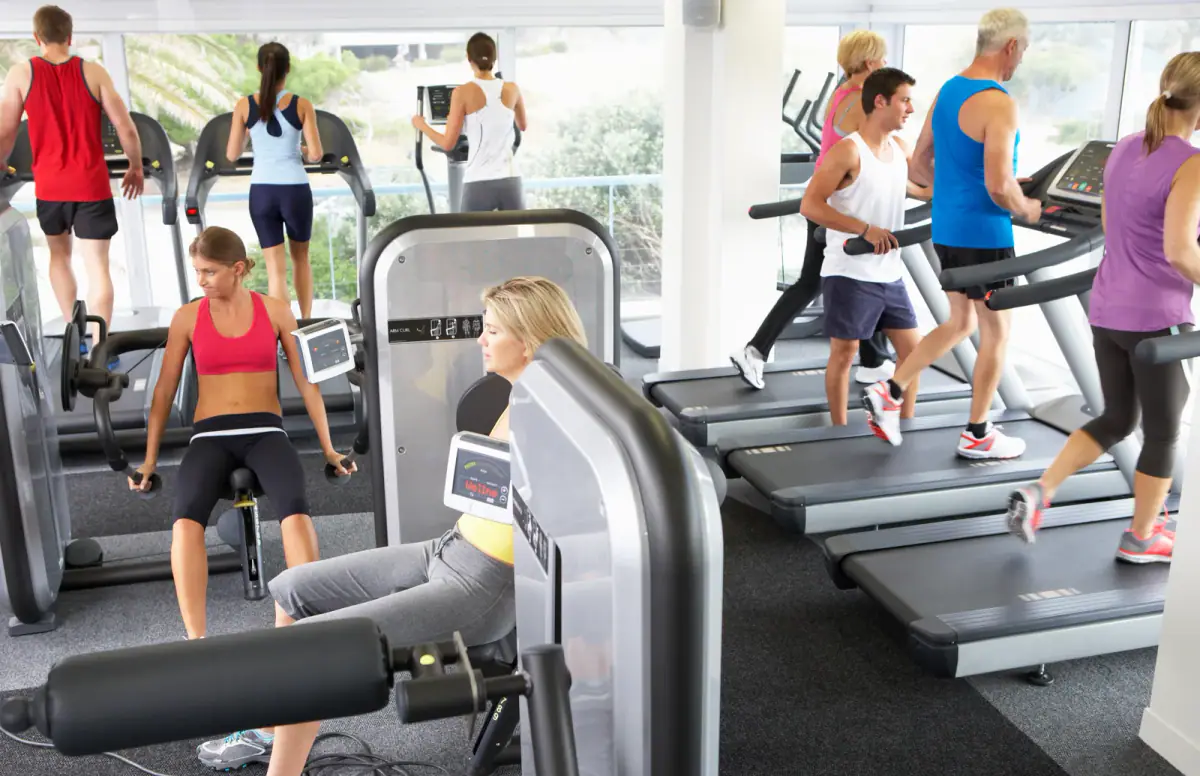
Paying to avoid a crowded gym, whether with a private room or otherwise, is worth it when the crowd costs you more than the fee, measured in minutes wasted, sessions skipped and what your time is worth. That sounds obvious, and yet most people decide on irritation instead of arithmetic. The test below takes about two weeks of tracking and one calculation, and it can come out against paying, which is a perfectly good result.
The three numbers
Track these for two weeks.
- Minutes wasted per session. Every minute waiting for equipment, rearranging your plan or standing in a line. Use a phone note.
- Sessions skipped. Count the times you turned around at the door, or left early, because the floor was too full.
- Your hourly value. What an hour of your time is worth to you. Use a conservative figure.
The calculation
Take your minutes wasted, divide by sixty and multiply by your hourly value. That is the dollar cost of waiting per session. Then add the cost of skipped sessions: the share of your gym fee spent on sessions you did not do.
Here is an illustration with made-up numbers, so swap in your own.
| Item | Example |
|---|---|
| Training sessions per month | 12 |
| Minutes wasted per session | 15 |
| Your hourly value | $40 |
| Waiting cost per session | $10 |
| Monthly waiting cost | $120 |
| Sessions skipped per month | 3 |
In that example the crowd costs about $120 a month in waiting plus three lost sessions. Booking all twelve sessions at $18 to $22 an hour would run $216 to $264, so a full switch only wins if the three skipped sessions matter a lot to you. Booking just the four or five busiest sessions costs $72 to $110 and removes most of the waiting. If you waste five minutes a session and skip nothing, the math says do not pay.
Beyond the arithmetic
Some costs do not fit in a spreadsheet. A crowded floor can make you cut the exercises that matter, train lighter than you planned or avoid the gym on hard days. That drag is real, though hard to price. On the other side, a private room has its own costs: no social atmosphere, no class energy and no cheap monthly rate if you go nearly every day. The honest comparison with a membership is laid out in whether a private space is cheaper than a gym membership.
What a booked room actually changes
A private workout space takes the waiting to zero for the hour you book, because the rack, cable stack and dumbbells are reserved to you. It also raises the odds you show up, since a reserved slot is harder to skip. It does not change the commute, the cost of the booking or how hard you work once you are there.
A decision rule
- If your waiting cost plus skipped sessions beats the booking fee, pay.
- If it is close, use the room for your busiest weeks only.
- If it is far below, fix the problem for free, as gym too crowded after work describes.
- If you rarely go anyway, whether your visits justify a membership is the better question.
Rooms run $18 to $22 an hour and cardio rooms from $12, with no membership. Track for two weeks, run the numbers, and book only if they say so.
Related questions
How many minutes of waiting is too many?
There is no universal number. A fair personal test is whether waiting makes you cut exercises, shorten the session or leave early. If it does, the crowd is costing you results.
What counts as the value of my time?
Use an honest figure, such as your hourly earnings or what you would pay to get an hour back. It is a personal number, so be conservative and consistent.
Can I test it before paying much?
Yes. Anyone 18 or older and local to Carmel can ask a host about a free first hour, so one real session shows how your time changes without any spend.