
Private Martial Arts Lessons for Kids: Parent in the Room?
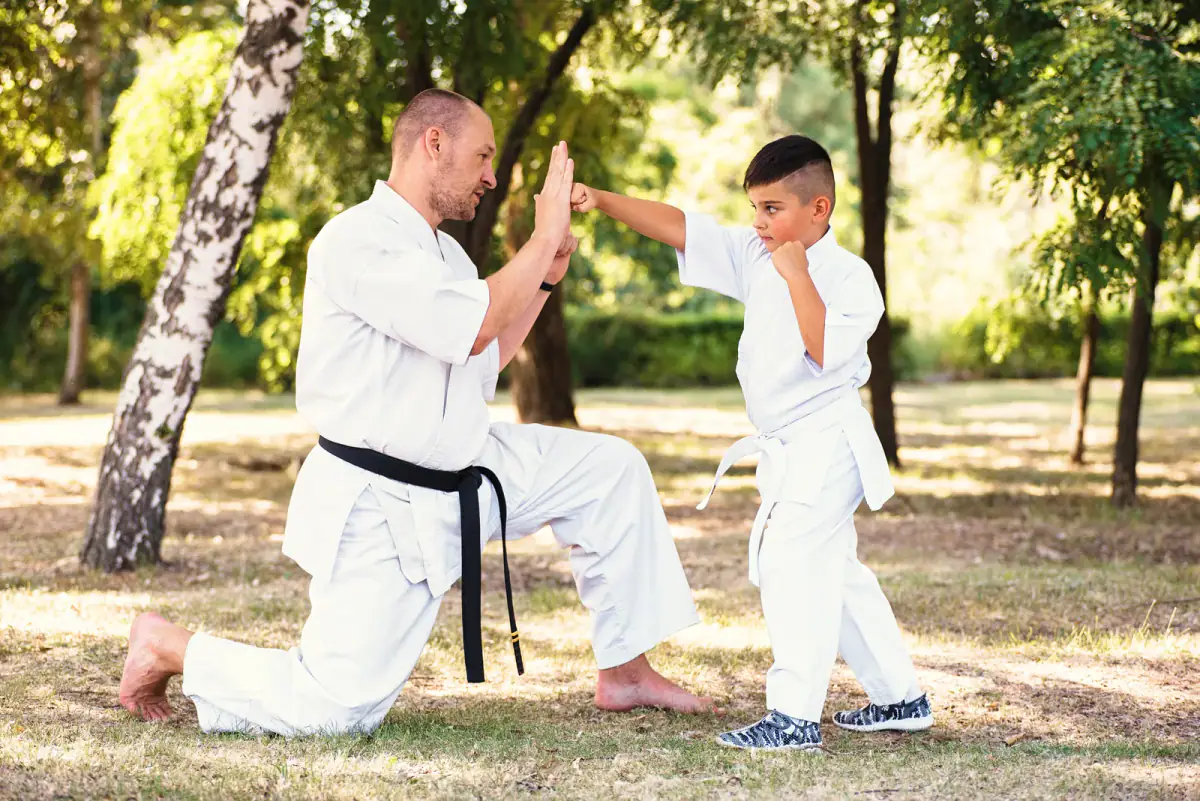
For private martial arts lessons for kids, a parent should be in the room or in clear sight for at least the first lessons, and the instructor should agree that arrangement with you before anyone steps onto the floor. A one-on-one lesson without a dojo audience gives your child focused attention, and it also removes the crowd that would normally provide informal oversight, so the rules have to be deliberate. Here is what to settle when the lessons happen in a private space rented by the hour.
Why parent presence matters more in a private room
In a school, a dozen other people, instructors and parents share the sightline. In a rented room, there are two people and a door. That is not a problem; it is simply a different setup that asks for clearer rules. Most reputable instructors welcome a parent in the room, because it protects the child and the instructor alike.
Presence also helps your child. Young students often settle faster when a familiar adult is nearby, and you can reinforce what you see at home. Many kids prefer to practice the movements in the car ride home when a parent saw them done correctly.
If the lessons will include your own participation, as in a parent-and-child format, the parent and athlete joint session guide explains how that format works and how to pace two different levels.
Sightlines, doors and where to sit
Before the first lesson, ask the instructor these things and ask the space what it permits:
- Where will the parent sit or stand? Inside the room is simplest. If the child needs some distance, look for a clear line of sight rather than a closed door.
- Is the door open, closed or windowed during the lesson? Agree on one rule and keep it.
- Who else may enter? A rented room is private, so agree that only you, the child and the instructor are present unless you invite a sibling.
- How many guests does the room hold? Space sizes vary and the booking determines how many people can be present; confirm it with the facility.
How a given facility handles guests and minors is the facility’s own policy, so ask the pro support team through the app or by calling (888) 353-9975 before the first booking. Then ask the instructor to confirm the arrangement by text or email.
Consent, contact and what the lesson will include
Parents are within their rights to ask how much physical contact a lesson will involve. For private lessons with children, ask for a plain description of the planned drills: pad work, forms, footwork, strength games, partner drills with the instructor, falls. Ask how the instructor will explain contact to the child, and whether they will ask before adjusting a stance.
It also helps to agree on:
- A signal your child can use to pause or stop a drill.
- What the instructor does if your child is upset or hurt, and who calls you.
- Whether photos or videos are taken, and where they go.
- What paperwork you sign. The general idea behind releases for minors is covered in the Indiana parent waiver answer, which is general information and not legal advice.
If anything on that list gets a vague answer, treat it as the instructor’s first test: a good one will welcome the questions.
When to loosen up the arrangement
Many families begin with a parent in the room for every lesson, then shift to a seat just outside the door once the child is comfortable and the routine is familiar. That shift should be a joint decision. Keep the schedule consistent, ask your child how the lessons feel, and keep the instructor’s contact details handy.
If your child’s interest turns toward strength or fitness training generally, a coached program with a trained professional is available through FlexWerk Fitness, where a free consultation is the starting point. Either way, begin by visiting the room and meeting the instructor with your child.
Related questions
Should I stay for the whole lesson?
For a first lesson, yes, and many parents keep staying for the first few weeks. Staying lets you see how the instructor speaks to your child and handles discomfort. After that, ask your child and the instructor what works.
What should a parent do while watching?
Sit out of the way, keep your phone down and let the instructor do the correcting. Calling out advice from the side splits your child's attention and can undercut the person leading the lesson.
What if my child wants me to leave?
That is common with older kids and is not automatically a warning sign. Agree on a visible position, such as outside a clear glass panel or just beyond an open door, and ask the instructor to tell you if anything changes.