
Sports Psychologist Confidentiality in a Gym Building
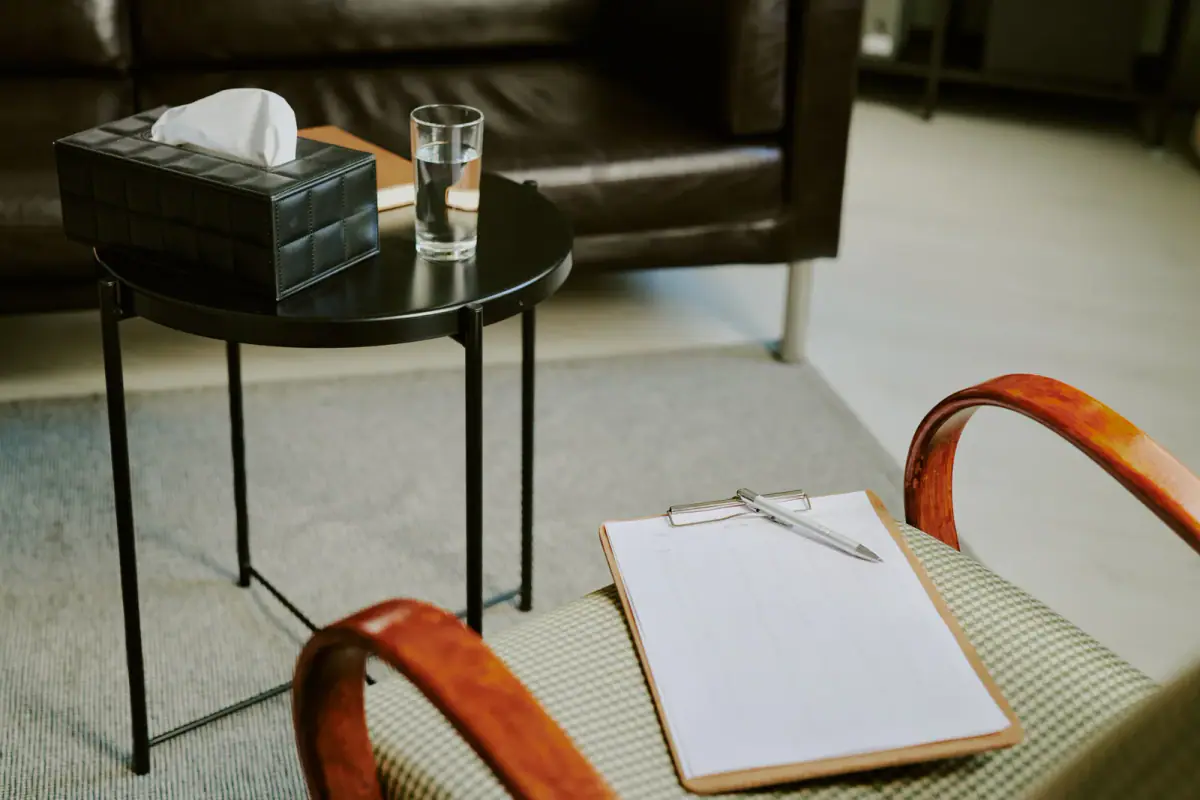
A licensed sport psychologist protects confidentiality in a gym building by controlling what can be heard and seen, agreeing in advance how to handle chance encounters, and keeping every record out of the room. The building changes the risks, not the duty. Your obligations come from your license and the rules that govern your practice, which is why this page is a practice guide and not a legal opinion.
What the rule says
HIPAA’s Privacy Rule, as described by the federal Department of Health and Human Services (checked October 2026), applies to covered health care providers and requires reasonable safeguards for protected health information. It also gives notes a mental health professional keeps of private counseling sessions, separately from the rest of the record, a stronger layer of protection that generally requires the patient’s authorization before disclosure. Whether your practice is a covered entity depends on how you bill and transmit information, and some consultants working with athletes in a performance role are not licensed clinicians at all. This is general information, not legal advice, and rules change, so confirm with your licensing board, your professional association’s ethics guidance or an attorney.
Sound: the first thing an athlete worries about
Athletes rarely fear a stranger. They fear a teammate hearing about a lost nerve before a final. Before the first session, test the room the way a client would hear it.
- Close the door and have a colleague speak at your normal session volume in the hallway while you listen inside.
- Use the room’s music streaming at low level as background cover, but do not assume it hides speech.
- Choose a time of day when the building is quiet. Weekday doors open early at FlexWerk Carmel, and an early or late hour is simply quieter than the after-school peak.
Arrivals and the greeting plan
The athlete’s walk through the building is part of the session. Decide three things together in the intake conversation.
- How they will arrive: parking in the garage, and whether they prefer to enter just before the hour.
- What happens if they meet their own coach or a teammate: a neutral line such as “I am here to use the room” is enough, and they never owe an explanation.
- What you will do if you meet them first: usually nothing, unless they speak.
Put the plan in writing in the informed consent paperwork your board expects. For a deeper look at how mental performance work uses a training room, see the mental performance coach guide.
Check-in, billing and records
Privacy leaks more often through logistics than through walls.
- Booking. Use the FlexWerk app under your own account. The booking record shows an hour of room use, nothing about a client.
- Reminders. Send them from your own secured system, with no performance detail in the message.
- Notes. Keep them in your own platform, not on a screen or paper left in the room. The HIPAA in a gym-based practice answer explains what stays on the provider.
- Payments. Make the statement line say your practice name, not a topic.
If-this-then-that for the common gym-building moments
- If an athlete’s coach walks past the glass, the door stays shut and you end on time.
- If a parent asks about a minor’s progress, follow your consent terms and your board’s rules on minors before saying anything.
- If an athlete is in crisis, stop the performance agenda and use your clinical safety protocol. FlexWerk supplies space, not clinical oversight.
Tell the facility what you need
A private room is a good fit when you are comfortable carrying your own compliance. Tell the host at your first visit about any privacy preference, and ask support at prosupport@flexwerkfitness.com anything the app does not answer. Then run a quiet test session, and book your first free hour at a time you would actually schedule an athlete.
Related questions
Does renting a private room make a session confidential?
It helps with what others can overhear or see, but confidentiality as a professional duty comes from your license, your ethics code and your own records practices. The room supports those duties and never replaces them.
What if an athlete's teammate or coach is in the building?
Plan for it before it happens. Agree with each athlete on what you do if you cross paths, usually that you will not acknowledge the relationship unless they speak first.
Where should session notes live?
In your own secured system, never in the room. Separate notes of the therapist's own impressions from the main record where your rules call for it, and leave nothing behind on a screen or paper.