
Strength and Conditioning Coach Salary in Indiana by Setting
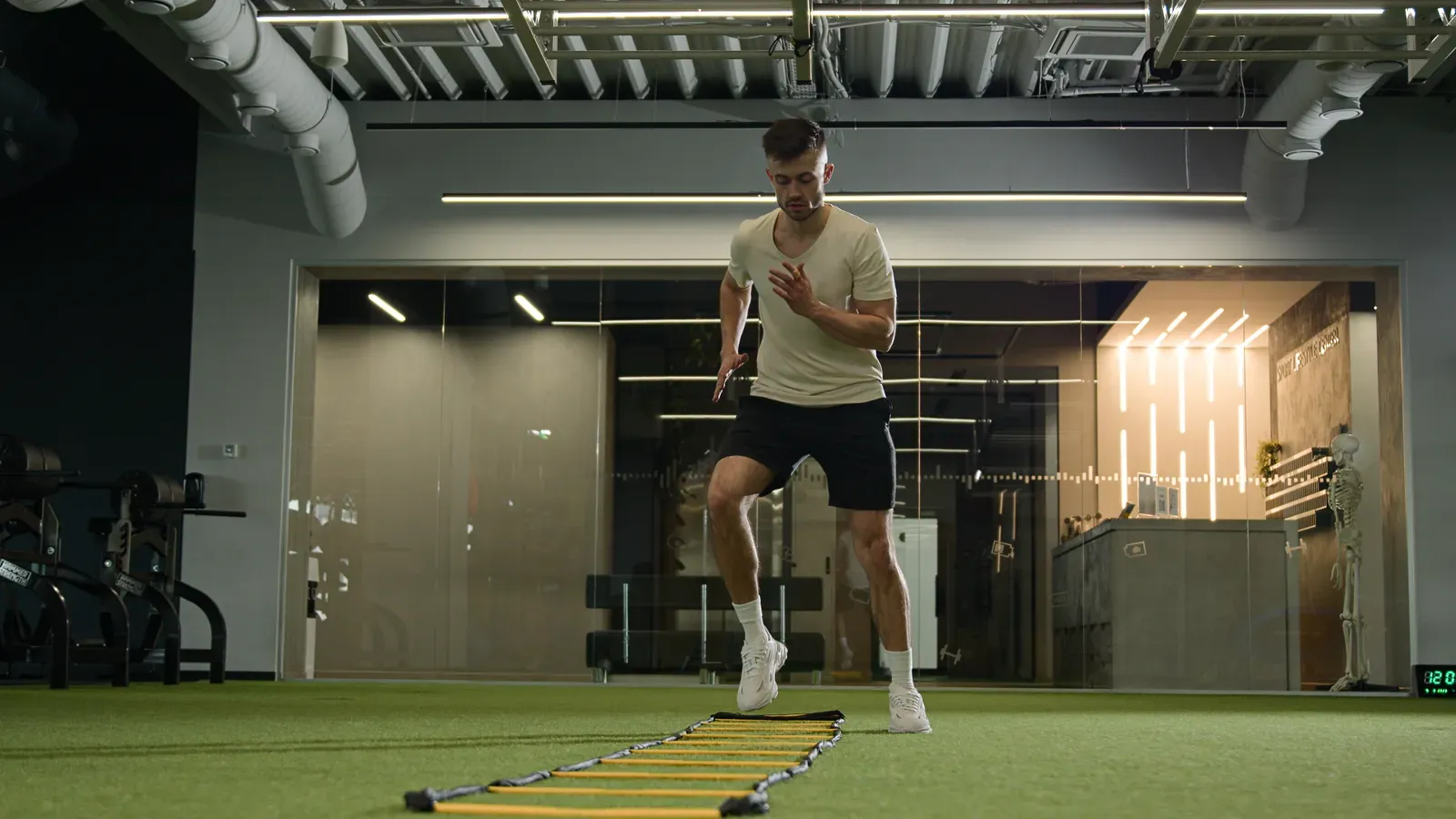
A strength and conditioning coach’s salary in Indiana is set by the employer type more than the title: high school coaches are usually paid a teaching contract plus a coaching stipend, college positions are salaried across a wide spread from graduate assistant to head coach, and private-sector coaches are paid by the hour or the session, where job boards and public wage data put Indianapolis fitness-trainer pay in the mid-20s per hour on average and independent coaches in the north metro commonly bill $75 to $125 per session. State-level wage data for the strength and conditioning title itself is thin, so the honest comparison is structural: which pay shape fits your life, and what each one caps. The income calculator turns the private-sector version into a monthly number with your own sessions and rate.
What each setting actually pays for
| Setting | How pay is structured | What caps it |
|---|---|---|
| High school | Teaching salary plus a coaching stipend, or a stipend-only role | The district’s stipend schedule and the school calendar |
| College or university | Salaried, from graduate assistantships up to head coach | The athletic department’s budget and a small number of seats |
| Private performance facility | Hourly wage or per-session rate, sometimes plus commission | The facility’s rate card and its house share |
| Independent coach | Your session fee, minus space and business costs | Your roster, your rate and the hours you can coach |
School coaching is the most common entry in Indiana because the state’s high schools are large enough to fund staffs: Carmel’s high school enrolls about 5,200 students, Fishers and Hamilton Southeastern around 3,700 and 3,400, Noblesville near 3,200, Westfield about 2,800. The stipend, though, is a stipend: it is paid for a season, it does not scale with how good the program gets, and it typically sits on top of a teaching job rather than replacing one. College roles pay a real salary and are scarce, and the ladder runs through years of graduate-assistant pay. The high school strength coach’s space guide covers how teacher-coaches run private work alongside the school role.
The private-sector number, decoded
Private facilities pay coaches with the same two-rate structure gyms use for trainers: a base rate for floor and group hours, a higher rate for delivered sessions, and a house share taken from what the athlete’s family paid, commonly 40 to 60 percent at big-box employers. That is why a coach with a strong reputation and a full afternoon of athletes can still see a paycheck that looks like the job-board average. The blended figure, total pay divided by every required hour, is the only number worth comparing across offers, and how gyms structure it in this state is laid out in what gyms pay trainers in Indiana. Federal projections put fitness trainer and instructor employment growth near 12 percent for 2024 to 2034, so demand is real; the pay shape is what varies.
Where the top of the range lives
Independent coaching is where the Indiana strength and conditioning ceiling actually sits, because nothing between the athlete’s family and the coach takes a share. At FlexWerk at Carmel City Center a coach books a private room for $18 to $22 an hour through the app, a Plus room holds up to four athletes for partner sessions, and the coach keeps everything charged; the facility side of that practice is described on the sports performance coach page. One session at the north metro’s private rate covers the room several times over, and the client base is the deepest in the state for this niche: community youth sports here count more than 15,000 annual participants, Grand Park draws around 1.5 million visitors a year, and Carmel’s high school finished 2025-26 as the country’s top-ranked all-sports athletic program. The trade is that independence multiplies an existing roster rather than creating one, so most coaches build it alongside a school or facility role first.
Put your realistic athlete count and session fee into the calculator next to your stipend or facility rate, and see which structure your coaching is actually worth under.
Related questions
Do high school strength coaches in Indiana get paid a full salary?
Usually not for the coaching itself. Most school strength roles pay a seasonal stipend on top of a teaching contract, or a stipend alone for a non-teaching coach, and the amount follows the district's schedule rather than the program's results.
Is a college strength and conditioning job worth pursuing in Indiana?
It is a genuine salaried career with a narrow door. Seats are few, the ladder usually starts with graduate-assistant pay, and the coaches who reach senior roles have often relocated more than once. Treat it as a long path, not a local job search.
What can an independent strength coach earn per session near Carmel?
Job boards and public wage data put employed trainer pay in the Indianapolis area in the mid-20s per hour, while independent coaches in private north-metro settings commonly bill $75 to $125 per session and keep the fee minus a room cost of $18 to $22 an hour.