
Triple Net Lease for a Gym, Explained Simply
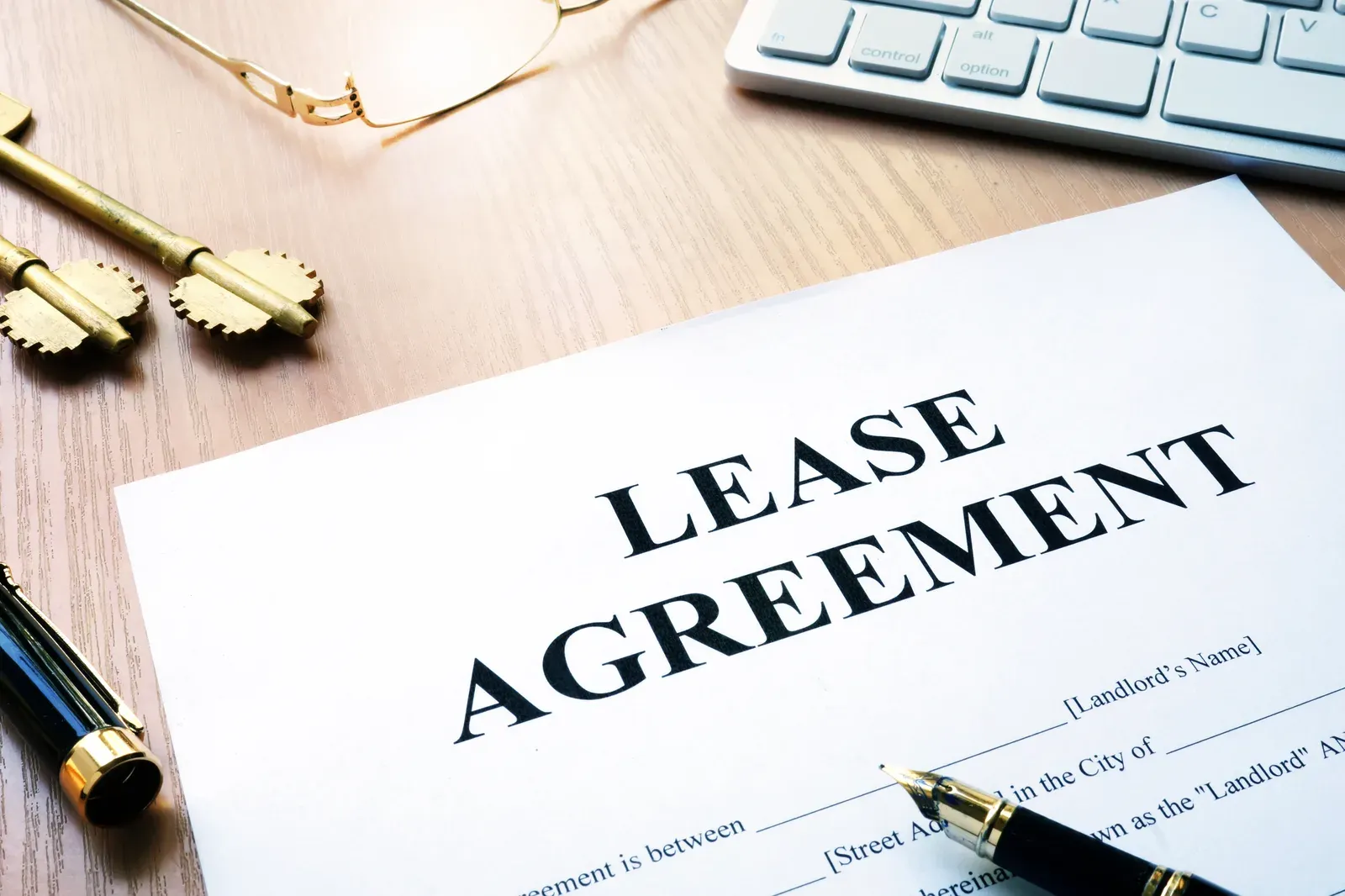
A triple net lease means the tenant pays base rent plus three separate pass-through costs, property taxes, building insurance, and common-area maintenance, on top of it, so the number on the lease’s first page is never the whole bill. Run a real lease’s net charges against hourly space before signing anything that includes this structure, because reading a commercial lease without understanding those three nets is how a manageable-looking rent quote turns into a much larger monthly number once the passthroughs land.
The three nets, plainly
Taxes: the landlord’s property tax bill gets divided across tenants by square footage, and it rises when the property is reassessed, a cost with nothing to do with how your business performed that year. Insurance: the building’s own policy, covering the structure itself, also gets split across tenants and can increase at renewal regardless of your own claims history. Common-area maintenance, often shortened to CAM, covers parking lot repairs, landscaping, shared hallways, and building upkeep, billed as an estimated monthly figure that gets reconciled, often upward, against actual costs at year’s end.
Why the quoted rent is not the real number
A landlord marketing a low per-square-foot figure on a triple net listing is quoting only the base rent, and the three nets commonly add several more dollars per square foot on top of it before a tenant ever opens the doors, worth remembering alongside any per-square-foot buildout estimate too. Ask for the actual net charges from the current year, not an estimate, and get the CAM reconciliation history in writing before treating any quoted number as the real monthly obligation.
Why this structure bites a fitness space particularly hard
A gym or studio lease often carries a personal guaranty from the owner, which means the net charges are not just a business expense, they are a personal one if the venture struggles. Fitness spaces also tend to run heavier building insurance costs than a typical retail tenant, given the equipment and activity level involved, and CAM reconciliations that spike after a bad winter of snow removal or a parking lot repave land the same regardless of how a slow month of sessions went. None of the three nets moves with your revenue, which is exactly the opposite of how an hourly private room prices space.
The model that skips net charges entirely
Booking a room by the hour removes the whole net-lease structure from the conversation: no base rent, no property-tax pass-through, no insurance allocation, and no CAM reconciliation showing up as a surprise bill months later. The tradeoff is real, a booked room will never be a leased studio’s storefront presence or its capacity for a full class schedule, but for a solo or small practice the net-lease risk this page describes simply does not exist to manage. What a personal guaranty actually risks on a lease like this is the next question worth answering honestly before signing.
Ask for the trailing twelve months of actual net charges, not a marketing estimate, before comparing any triple net quote to hourly space.
Related questions
What does 'triple net' actually mean on a gym lease?
It means the tenant pays base rent plus three pass-through costs stacked on top, property taxes, building insurance, and common-area maintenance, none of which show up in the headline rent figure.
Can the net charges on a lease change year to year?
Yes, and that is exactly the risk. A tax reassessment, an insurance renewal, or a CAM reconciliation after a rough winter can raise the real monthly number without the base rent itself moving at all.
Does hourly private space carry any of these net charges?
No. Booking a room by the hour removes base rent, tax pass-throughs, insurance allocations, and CAM reconciliations from the picture entirely, since none of that structure applies to a per-hour booking.