
Welcome Email for New Personal Training Clients
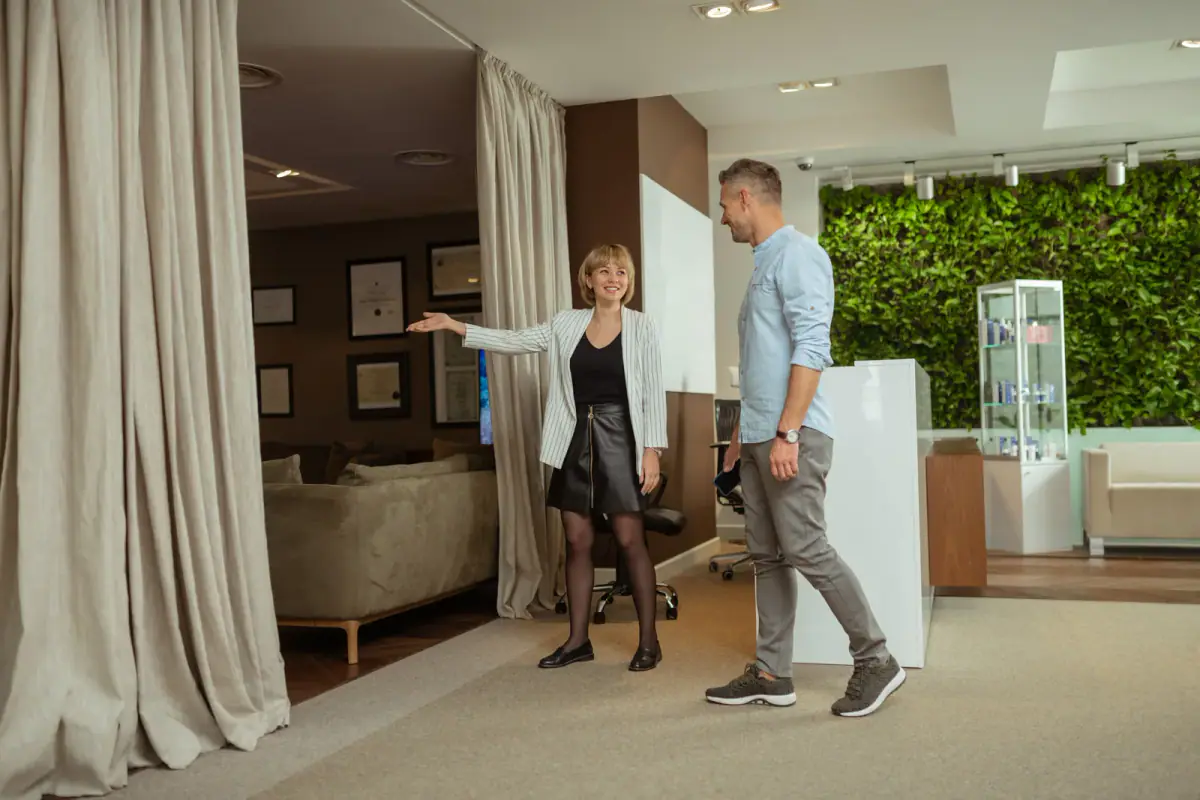
A welcome email for a new personal training client should answer four questions before they ask them: where do I go and park, what do I wear, what will we do, and what do you need from me. Send it as soon as the client books, keep it under about 250 words and end with one clear action. A client who feels prepared walks in calmer and is less likely to cancel.
What to put in it, in order
- A warm first line that names something they told you about their goal.
- The logistics: date, time, address, and where to park or enter.
- What to wear and bring: comfortable clothes, closed shoes and a water bottle are the usual list.
- What the first session looks like, in two or three sentences.
- One thing you need from them, such as a short form or a reply to a question.
- A direct way to reach you if plans change.
Resist the urge to describe your whole method. The welcome email is for reassurance, not a brochure. If your client is anxious, the guidance in training a nervous beginner shows what to promise and what to leave unsaid.
A full template to adapt
Subject: Looking forward to Tuesday, [Name]
Hi [Name],
I am glad you booked. You mentioned wanting to [their goal in their words], and that is exactly what we will build toward.
Where and when: Tuesday at 6:15 PM at [address]. [One line on parking and which door to use.]
What to wear: Anything you can move in, closed shoes and a water bottle. No need to buy anything new.
What to expect: We start with a short chat, a gentle warm-up and a few movements so I can see how you move. You will not be pushed past what feels right, and you will leave with a simple plan for the week.
One favour: Reply with anything I should know, such as an old injury or a movement you dislike.
If anything changes, text me on [number]. See you Tuesday.
[Your name]
Swap every bracket for something real. A template with the brackets still in it is the fastest way to undo the warmth you built.
Make the logistics foolproof
Most nerves come from small unknowns: which entrance, whether the room will be crowded, where to leave the car. Answer them in one line each. If you coach in a private room, say so, because the knowledge that no one will watch is a relief to many new clients.
Trainers at FlexWerk teach in private spaces at Carmel City Center, steps from the Monon Trail, with garage parking a short walk away. If that is where you train, give the building name, the suite and the parking directions exactly, and mention that clients enter as free guests, so there is nothing to sign up for at the door.
The reminder the night before
Send a two line message: the time, the address and “reply if anything changes”. It costs thirty seconds and catches most forgotten appointments. For the follow-ups that come after session one, the sequence in client onboarding over the first 14 days picks up where this email stops.
What to leave out
- A price list or a sales pitch for more sessions.
- Long health questionnaires in the body of the email.
- Heavy images that slow the message on a phone.
- Jargon the client has not used themselves.
Choosing the subject line and next messages
A plain subject that includes the client’s name and the day opens better than anything clever; see email subject lines that get opened for patterns by email type. Once the client has started, milestone emails keep the relationship warm, and the first of them can be as simple as a session-count note.
Write your own version this week, save it as a template and send it the moment the next client books. If you still need a room to name in it, start from the get started page; a fitness professional’s first hour is free.
Related questions
When should the welcome email go out?
Right after the client books or pays, and again as a short reminder the evening before session one. The first message settles nerves and the second prevents a missed appointment.
How long should a welcome email be?
Around 150 to 250 words, built for a phone screen. If it needs scrolling several times, move the extras into a one-page guide and link to it.
Should the welcome email ask the client to fill in forms?
Only the ones you truly need before the session, linked once and labelled with how long they take. Everything else can be done in the room, where you can explain it in person.