
Women's Strength Workshop Ideas for Independent Trainers
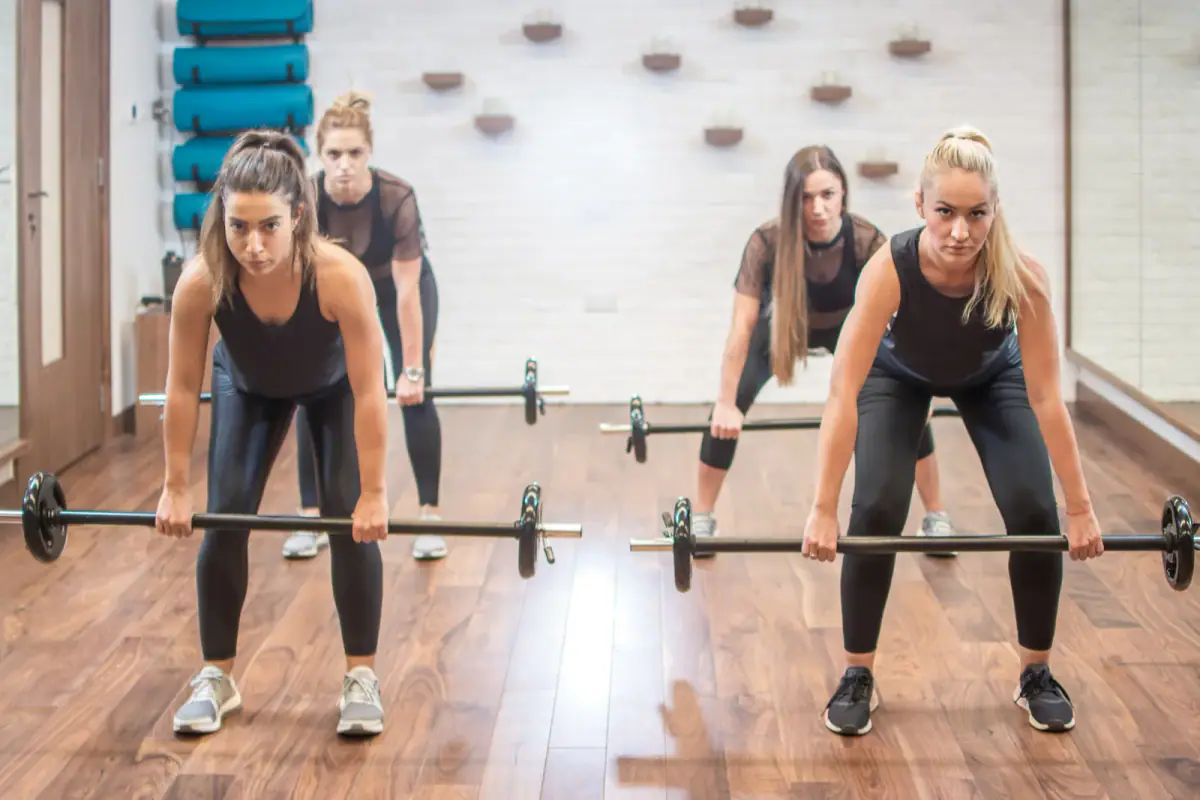
A women’s strength workshop works best as a small, 60 to 90 minute introduction to lifting, built around the worries beginners actually have, ending with a concrete way to keep training. The movements are the easy part. What brings people through the door and back again is feeling that nobody will judge them, and that the first step is clear.
Four formats to choose from
| Format | Length | Best for |
|---|---|---|
| Intro to lifting | 60 to 90 minutes | Complete beginners |
| Form clinic: the big four movements | 75 minutes | People who tried and felt unsure |
| Strength basics plus a plan | 90 minutes | Those ready to commit to a routine |
| Ask-anything session with light practice | 60 minutes | The curious and nervous |
Start with the first. It is the simplest to explain in an invitation and the easiest to run well.
The beginner worries to address
Name these in the invitation and again in the room, because attendees often feel them and rarely say them.
- “I will look foolish.” Tell people that every movement is taught from the beginning.
- “I will get bulky.” Describe what strength work is for, in daily terms, without promises about how bodies change.
- “I will hurt myself.” Show the lighter options first and explain how to stop.
- “I do not know the equipment.” Give a short tour and let people handle it.
- “Everyone will be watching.” A small group in a private room removes the audience.
Each worry answered out loud is worth more than another exercise.
A running order
- Welcome (10 minutes): names, goals and ground rules.
- Move and warm up (10 minutes).
- Teach three patterns (35 minutes): a hinge, a squat and a push or pull, with a light load each.
- Put it together (15 minutes): a short circuit they can repeat at home.
- Questions and next steps (15 minutes).
Keep numbers small enough that you can correct each person. Where women are in midlife, the niche thinking in the menopause fitness niche covers privacy and credibility, and you should avoid medical claims.
Where to hold it
A private room changes how the session feels. FlexWerk’s standard space fits one or two guests, and its larger space holds up to four, so a workshop of four to six may mean booking a larger room or splitting the group into two time slots; the four-seat workshop model shows how that works. Equipment such as a lifting rack, cable system and dumbbells is in the room, and fitness professionals get their first hour free.
The follow-up path
Before people leave, offer two ways forward: a small-group block that starts soon, or a short one-to-one consultation. Send a thank-you message the next morning with one tip from the session and the same two options. People who loved it are most ready to book within a few days.
For ideas on what else to run, workshop topics that fill seats lists themes by audience.
Promote it honestly
Describe what happens, who it is for and what to wear. Avoid before-and-after language and promises. Share the date three weeks ahead, and close sign-ups when the room is full. Begin planning from the get started page.
Related questions
Should the workshop be women only?
If your goal is to reach women who feel uneasy in mixed gym spaces, saying so openly is reasonable and many attendees prefer it. State the audience clearly in the invitation so nobody is confused.
How many people should attend a first workshop?
Four to eight is manageable for one coach in a private room and keeps the pace gentle. Smaller groups let you correct form for everyone, which is what beginners most want.
How do I handle attendees with health conditions?
Ask everyone to check with their clinician first if they have a medical condition, keep the movements general, and avoid claims about what the session will treat or change in the body.