
Free Community Workout to Get Clients: A Trainer's Plan
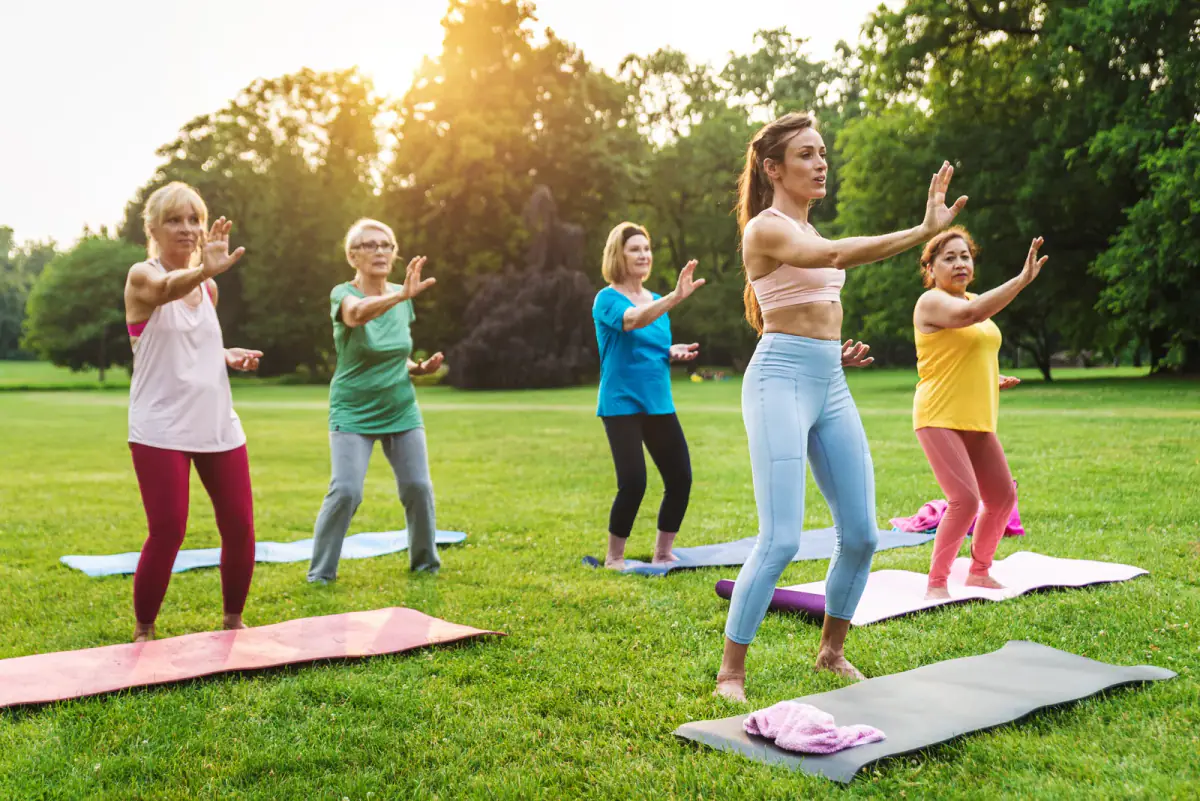
A free community workout turns strangers into consultations when it has a clear time, a capped group size, a waiver and a same-week follow-up, so it earns trust in an hour and a conversation by the weekend. Anyone can post “free class this Saturday”. The workouts that bring in clients are the ones planned like a small event, not a favour.
Choose a setting people already use
The best location is somewhere your ideal client already goes. Carmel’s Monon Greenway runs five miles past City Center, and the county’s connected trail loop of about 28 miles links several trails, so a trailhead or nearby green space gives you a built-in audience of walkers and runners. Parks have rules. Ask the managing department what permits, insurance proof and group limits apply before you publish a date.
A plan for the hour
Keep it simple so that a first-timer can follow along.
- Arrive 20 minutes early and set up a sign-in sheet or a phone form.
- Welcome (5 minutes): who you are, what to expect, a reminder to stop if anything hurts.
- Warm-up (10 minutes): easy and the same for everyone.
- Main set (25 minutes): three or four basic movements with a gentle and a harder option for each.
- Cool-down and question time (10 minutes): stay and talk.
- Close: invite everyone to a short consultation, and say when you will message them.
Bodyweight and walking-based work is the easiest to run outside.
The paperwork
Before the event, check that your liability insurance covers group sessions in public places. Prepare a short waiver, written clearly, and have everyone sign it before they join. The waiver does not replace insurance or good judgement, and it never covers gross negligence, so ask an attorney if you are unsure how to word it. Add a line asking participants with medical conditions to check with their clinician first.
Plan the weather
Indiana weather swings, with humid summers in the upper 80s and 90s and about 22 inches of snow in a typical winter. Choose a start time that avoids the worst heat, and watch for Air Quality Action Days, when state advice is to limit outdoor exertion. Announce a backup in advance: an indoor room you can book by the hour, so the event moves rather than disappears. FlexWerk rents hourly spaces at Carmel City Center with no lease, and a fitness professional’s first hour is free, which suits a one-off backup plan.
Turn participants into consultations
The follow-up is the point. Do three things within 24 hours:
- Message everyone who gave contact details with a thank-you and one tip from the session.
- Offer a 20 minute consultation with two time options.
- Ask for feedback with one short question.
A related tactic is to partner with a local group so that you reach a ready audience; fundraiser workouts for school booster clubs and sponsoring a local 5K both put you in front of organised communities.
Sample timeline from idea to event
Four weeks out, choose the date and location and contact the parks office. Three weeks out, confirm insurance coverage and draft your waiver. Two weeks out, announce the event with a sign-up link and cap the numbers. One week out, check the forecast and book your backup room if the weather looks doubtful. The day before, send a reminder with the meeting point, what to wear and a note that anyone with a medical condition should check with their clinician. On the day, arrive early, keep the pace easy and stay afterwards to talk.
How to talk about it online without overselling
Describe the session in plain terms: who it is for, how long it lasts and what to bring. Say that it is free and beginner-friendly. Avoid words that promise results, and do not use photos of participants without their agreement. A short, honest post from a local trainer often does better than a polished flyer, because people respond to the sense that a real neighbour is hosting. Ask a few clients to share it with someone who might enjoy it, and thank them privately afterwards.
Make it repeatable
One event is a test; four are a signal. Choose a regular day, such as the first Saturday of the month, and keep a simple record of attendance, contact details collected and consultations booked. When people begin to bring friends, you are building what community building for the solo trainer describes.
Roles if you have a helper
A second person makes a larger group safer and the event smoother. Ask a friendly client or a colleague to greet people at the sign-in, hold the phone form and watch for anyone who looks unwell while you lead. Agree beforehand what each of you will do, including who calls for help in an emergency and where the nearest address is. Thank your helper properly afterwards. If you ever want to grow the event into something larger, a reliable helper is the first step.
Questions to ask yourself before you announce
Is my insurance current and does it cover this activity? Do I have written permission from whoever manages the space? Is the group size one I can coach alone? Do I have a backup location and a plan for hot, cold or poor air quality days? Can I follow up with every person within a day? If any answer is no, fix it first. A smaller event that runs well builds your name faster than a bigger one that stumbles.
After the first event, review honestly
Within a week, write down the head count, how many gave contact details, how many answered your follow-up and how many booked a consultation. Note one thing that felt rough, such as a late start or a confusing sign-in, and fix it before the next date. Ask two attendees what they enjoyed most and use their words in your next announcement.
What to avoid
- Running it without insurance or approval.
- Skipping the sign-in, which wastes the whole event.
- Making the workout too hard for newcomers.
- Selling during the session instead of after it.
- Letting participants leave without a clear next step.
The next step
Choose a date three weeks away, contact the parks office this week and write the one-paragraph announcement. When you want a room to hold the follow-up consultations, start with the get started page.
Related questions
Do I need permission to run a free workout in a public park?
Often, yes. Many parks and trails require a permit or approval for organised group activity. Contact the managing parks department well ahead and ask what it requires, including any insurance. Do not assume that an open lawn means open use.
How many people should I plan for?
Plan for fewer than you hope. A group of 8 to 15 is easy to coach alone and lets you talk to everyone afterwards. A larger crowd needs a second coach and a more formal plan.
How do I turn participants into clients?
Collect a name and a contact detail, with permission, before they leave, and follow up the next day. Offer a short consultation, not a hard sell. The workout earned the conversation, and the consultation is where it becomes a booking.