
Mat Pilates vs Reformer Certification: Which to Start With
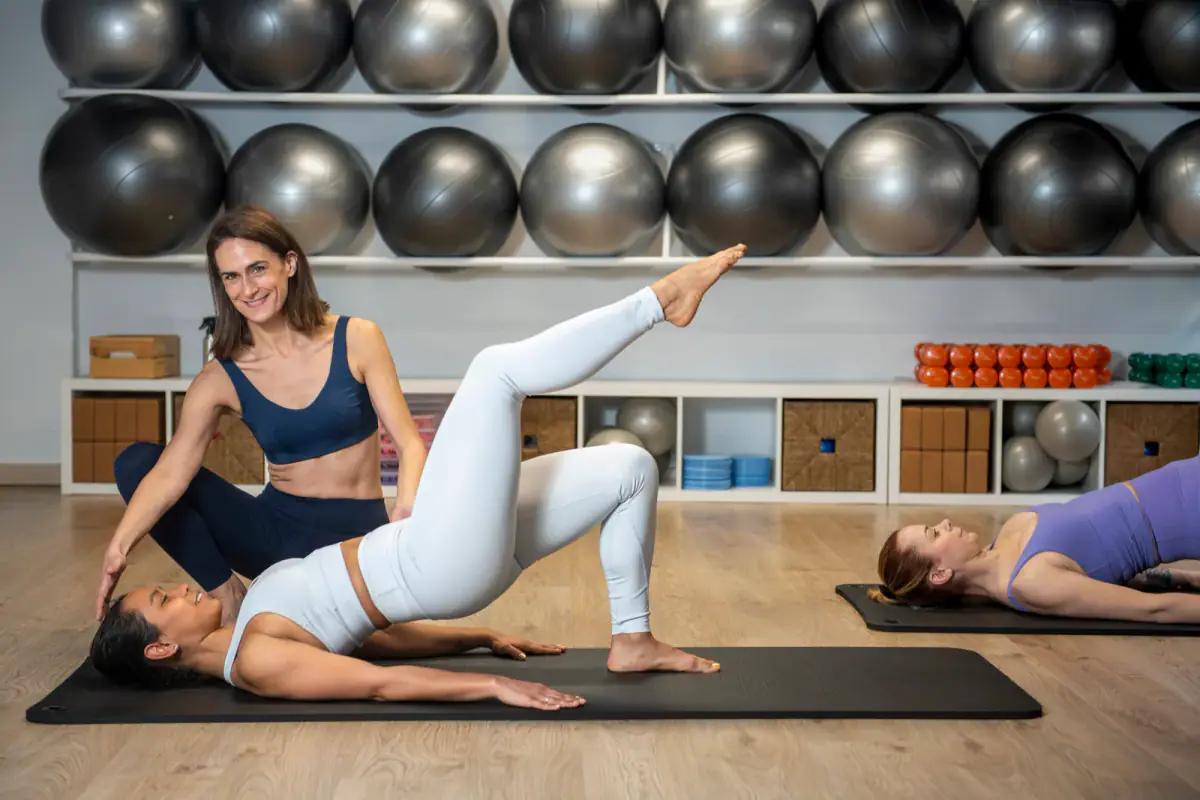
The choice sounds like a matter of taste, but it is really a question of capital and clients. For a new instructor who wants to earn privately with the least equipment and money, a mat pilates certification is usually the faster start, and a reformer certification is the better first step only if the clients you can reach this year want apparatus. Everything below helps you test that against your own situation, including how to use a private room by the hour while you decide.
The two credentials side by side
The names cover a range of programs, so treat this table as a pattern to verify with each provider, not a fixed rule.
| Question | Mat credential | Reformer (apparatus) credential |
|---|---|---|
| What you can teach | Floor work, with small props | Spring-based equipment and often mat as well |
| Typical time commitment | Usually shorter | Usually longer, with more practice hours |
| Equipment you need to practice | Very little | Access to apparatus, often in a studio |
| Equipment to start teaching privately | A floor and a few props | Your own apparatus or a studio that rents access |
| Where you can work | Private rooms, homes, parks, gyms | Studios and apparatus spaces |
| Cost to enter | Generally lower | Generally higher |
The differences compound. A credential that needs apparatus also needs somewhere to teach on it, which raises your cost again after you finish the course.
Start from the clients you can reach
Credentials are tools for clients. Write down who you can realistically sign in the next six months:
- Friends of friends, former coworkers, people from your current classes.
- Clients who have asked you about pilates specifically.
- A gym or community that might host you for mat classes.
Then ask what each of those people wants. Many beginners and adults returning to exercise start with mat work, because it is accessible and requires no special equipment. If your first ten clients would be happy on a floor with a few props, a mat credential covers them. If you already have a source of clients who want reformer work and a place to teach it, the apparatus credential becomes the logical start.
Do not choose a credential for the clients you hope to have in three years. Choose for the ones you can find now, and let income fund the next step.
What it takes to teach privately with each
With a mat credential, the start-up checklist is short: liability insurance (see what pilates instructor insurance costs and covers), a place to teach, a handful of props and a way to book and bill clients. A private room rented by the hour with no lease works because you need only the floor space. The rooms at Carmel City Center are built around strength equipment with open floor, with no reformer on site, which fits this model.
With a reformer credential, you need apparatus. That means buying it, renting access in a studio or finding a host with equipment, and each choice has trade-offs. Buying means storage and transport questions, explored in bringing a reformer to a rented studio. Renting access can mean a studio that sees you as competition. Either path adds cost before your first client pays.
Money: what the credential changes
Apparatus sessions are sometimes priced differently from mat sessions, but you should not assume a premium. What matters is your net per session after costs. The method for turning costs into a rate is covered in how much to charge for private pilates sessions, and the total cost of training is the topic of how much pilates teacher training costs.
Run a simple comparison. For each credential, estimate the total cost to be ready to teach, including equipment access. Estimate how many clients you can reach and what each nets you. If the mat route gets you to your first paying clients months earlier at lower cost, that head start has real value even if the apparatus route could pay more later.
A path many instructors follow
A common sequence looks like this:
- Complete a mat credential and get insured.
- Teach private and duet mat sessions in a rented room by the hour, building a client list.
- Use early income to fund a deeper credential once clients ask for apparatus.
- Add portable or rented apparatus access only when demand justifies it.
This sequence keeps each step funded by the last and avoids buying equipment for a client base you have not met yet. The alternative, where you finish a long apparatus program first, makes sense when a studio job is your goal or when you already have a venue.
If you are working through a larger plan for your first year in business, the first year after certification offers a general framework for pacing income, costs and credentials.
What to ask each program before you choose
Whichever credential you lean toward, ask the provider the same short list. How many hours of supervised teaching practice are required, and where can you complete them? Does the price include the exam and the manual, or are those extra? What do recent graduates who teach privately say about their first six months? Is there an apprenticeship route that lets you earn while you train? And what continuing education will the credential demand once you hold it? Writing the answers side by side for a mat program and an apparatus program turns a vague preference into a comparison you can defend.
A decision checklist
Answer in order:
- Do I have access to apparatus today for practice and teaching? If no, lean mat.
- Do at least five likely clients want apparatus work? If no, lean mat.
- Can I fund the longer program without delaying my first client by many months? If no, lean mat.
- Is my goal a studio job that requires the apparatus credential? If yes, lean apparatus.
Three or more “lean mat” answers point to starting there. Whichever way you go, set a date for your first paying client before you pay for any course, and book a free first hour in a private room to practice teaching a real person.
Related questions
Can I teach private clients with only a mat certification?
Yes, you can teach what your training covers, which is floor-based work and small props. Many instructors build a private practice that way, and for a first credential the question is mostly about training, cost and which clients you can reach.
Will I need the reformer credential eventually?
Only if your clients or your goals call for it. If your practice is mat and small apparatus in a rented room, you may never need it, while a studio career often does.
Is one credential harder than the other?
Apparatus programs usually ask for more hours, more practice and more equipment access, so they are generally a bigger commitment. Compare the specific programs you are considering rather than the categories.