
Recording Training Sessions: Indiana Audio and Video Law
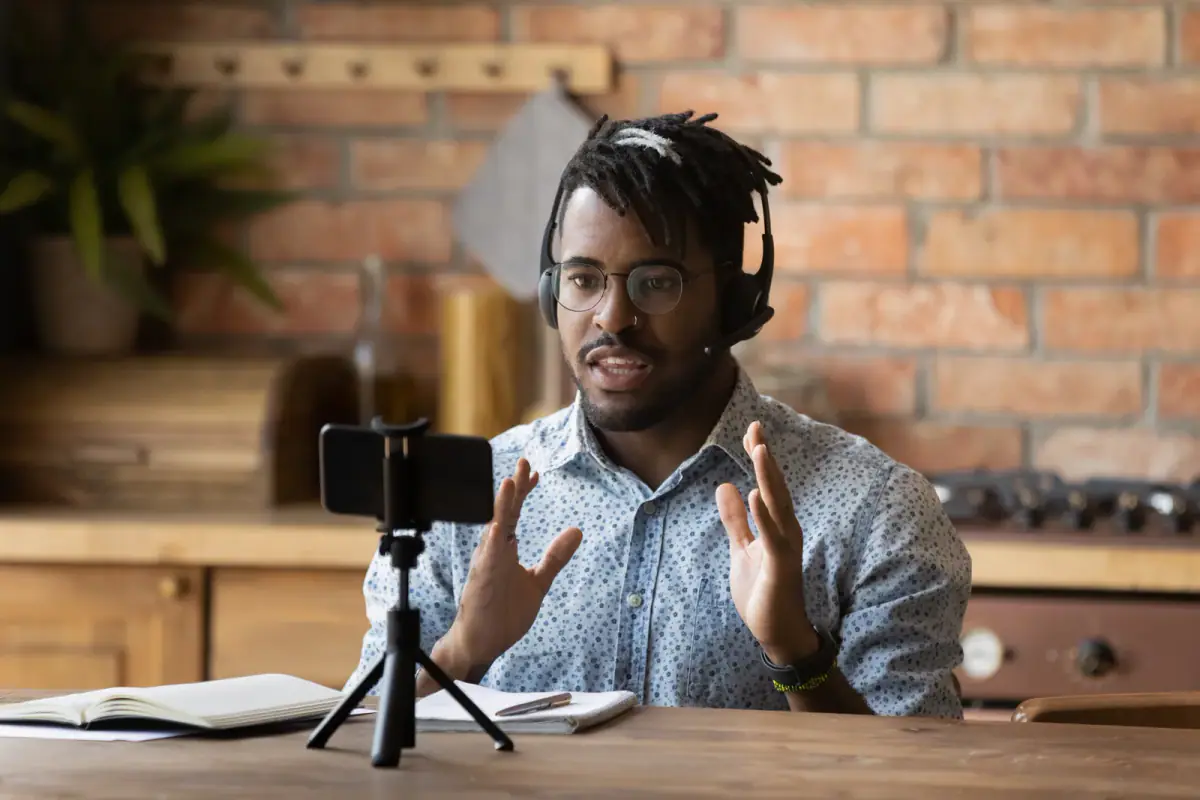
If you film a form check on your phone, the sound is the part with a statute attached. Indiana’s interception chapter treats a recording as lawful when one party to the conversation has consented in advance, so a trainer who is in the conversation and presses record is generally on solid ground for audio. The harder questions come afterward: what you do with the footage, and what the camera catches besides your client. A private room you book through FlexWerk’s first free hour removes the biggest variable, because nobody else walks through the frame.
What the rule says
The rule is in Indiana Code chapter 35-33.5, which governs interception of wire, electronic and oral communications. Its consent provision makes interception lawful when one of the parties to the communication has given prior consent, and the same chapter attaches criminal and civil consequences to interception outside that exception. Checked October 2026 against published Indiana Code references, with the official text still worth reading before you rely on it. The chapter speaks about the communication itself, meaning sound, so it does not answer every question about silent video, posting, or privacy in places where people expect none to be recorded. This is general information, not legal advice, and rules change, so have an attorney review your own recording practice.
You are a party only while you are in the conversation
A trainer who is coaching a client is a party to what is said between them, and that is the whole basis for the comfortable reading above. The position changes when you leave the room and a device keeps running. At that moment you would be capturing a conversation you are no longer part of, which is the textbook shape of the problem the statute targets.
Three habits close that gap:
- Stop the recording whenever you step out, even for a minute.
- Never use a phone or camera as a baby monitor for the next client’s warm-up.
- Do not record phone calls or voicemail exchanges with third parties, such as a client’s physician, unless you have consent from someone on that call.
Silent video in a private suite
For video without sound, the Indiana interception chapter is not the main lens, and the honest answer is that no single sentence covers it. What matters in practice is who is in frame and what they reasonably expect. Your own client, who agreed to be filmed in a room booked for that session, is a different case from a stranger on an open gym floor who never knew a lens was pointed their way.
That is a design reason to film in a private room rather than a shared floor. FlexWerk’s suites are built to be filming friendly, with controllable lighting and no wandering members, so the frame holds only people who agreed to be in it. If your clips are the marketing, the setup does half the compliance work for you.
Recording is one permission, posting is another
Even with perfect consent to record, publishing is a separate act with its own paperwork. Use this order:
- Ask before the camera comes out, every session, and take no as no.
- Get a signed release before any clip is posted. The client photo release checklist lists the clauses, and the broader filming consent guide covers revocation.
- Check what the clip claims. A clip with a result caption raises advertising rules, which the sibling piece on FTC testimonial rules walks through.
- Mind the music. Licensed audio is its own topic, covered in using music in reels.
A one-page recording policy worth having
Put these lines in your intake terms so every client sees the same rules:
| Situation | What the policy says |
|---|---|
| Trainer records a form check | Client is told first and may decline |
| Trainer posts a clip | Only with a separate signed release |
| Client records their own set | Allowed, with no posting of coaching talk or other people |
| Minor client | Parent or guardian signs for both recording and posting |
| Sensitive conversation (injury history, medications) | Recording paused, notes taken instead |
That last row matters more than it looks. A recording that captures a client describing a diagnosis is health information you now have to protect, which ties into how you text and store client data and handle everything else a client tells you.
Minors, bystanders and clients who change their minds
Three situations deserve their own rule before they happen.
Minors. When a young athlete is the client, the parent or guardian is the person whose agreement counts, both for recording and for any posting. Carmel’s youth sports clubs run programs for more than 15,000 participants a year, so a trainer in the north suburbs will meet this case sooner than most. Ask the parent to sign, and keep the footage out of any public channel unless the release says it can go there.
Bystanders. A private suite keeps this simple, since only your client and you are present. If a parent or workout partner sits in, tell them the camera is on and ask for a yes, or point the lens away. A shared floor is the opposite case, where people who never agreed to be filmed wander through every clip.
Changed minds. A client who said yes in week one may say no in month six, and the right answer is nearly always to stop recording and remove what is posted, as the filming consent guide recommends. Build that into your intake terms so it reads as policy, not as a favor.
Keep proof of the yes
A verbal yes is real consent, but it is hard to prove six months later. Keep a dated line in your client notes (“recorded squat check, client agreed”) and file the signed release where you can find it. If a client later asks you to delete footage, delete it and note the date. That small cost ends most disputes before they begin.
The next step is a quick one: write your five-line policy this week, add it to your intake form, and run it past an Indiana attorney once.
Related questions
Can I leave my phone recording a session while I step out of the room?
That is the situation the one-party rule does not comfortably cover. Consent from a party to the conversation is what makes recording lawful, and once you leave you are no longer a party to what the client says next. Stop the recording when you leave, or ask an attorney first.
Do I need written permission to record a form check if the client is standing right there?
Hearing a yes in the room answers the recording question, but a short signed note is what protects you later, and it becomes essential the moment a clip could be posted. Keep the two steps separate in your paperwork: permission to record, then permission to publish.
What if a client wants to record me?
Treat it as a house rule you set before the first session. Many coaches allow clients to film their own sets for personal review and ask that coaching conversation and other clients never be posted. Put your preference in the intake terms so nobody has to improvise.