
Personal Training Room Setup Templates by Session Type
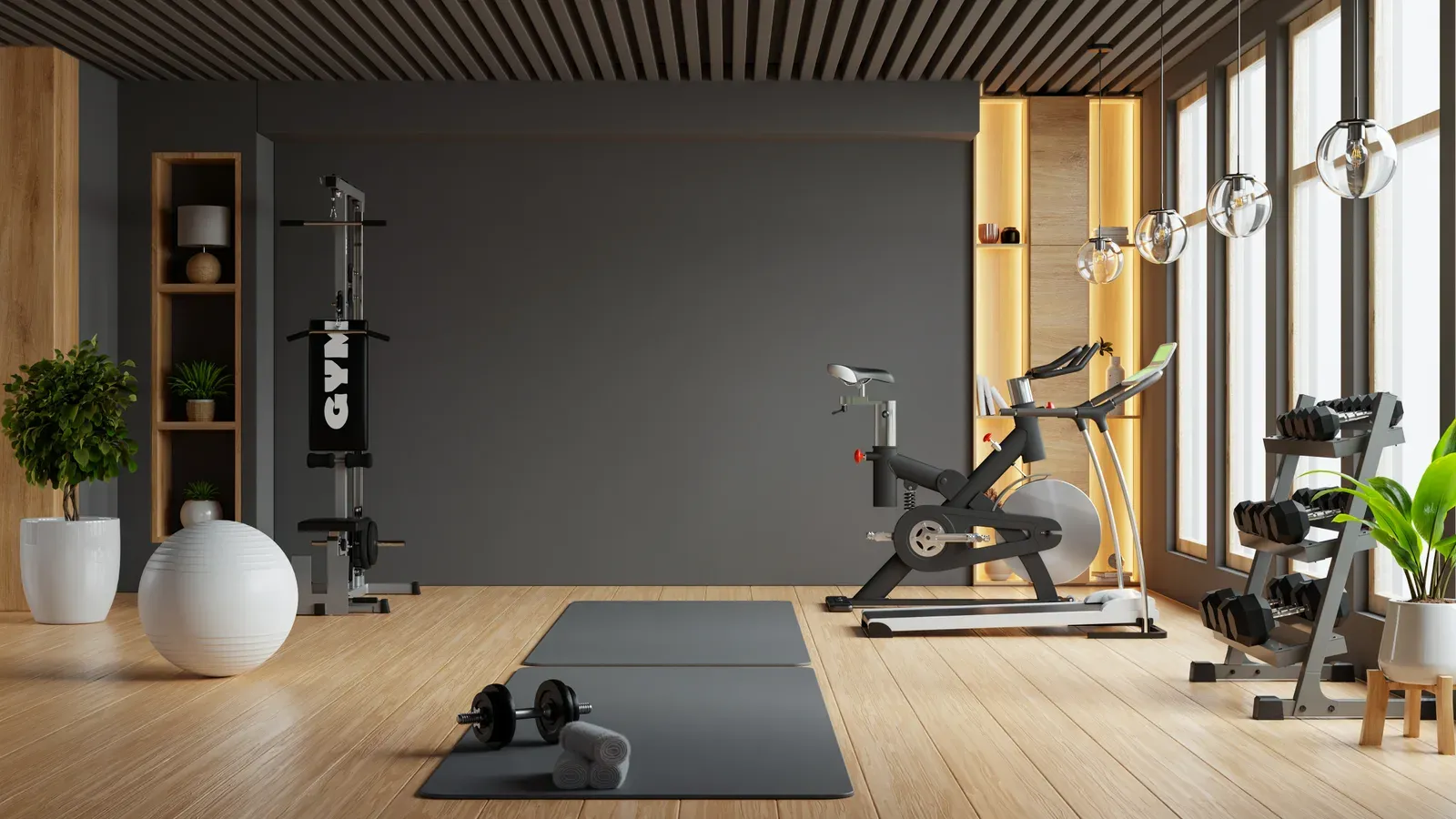
The same private room supports four different setups, strength, mobility and assessment, filming, and small group, and the five minutes spent arranging it for the session ahead changes what the client’s hour feels like before a single rep happens. A booked FlexSpace at FlexWerk in Carmel comes with the same core equipment every time, a rack, a cable system, a dumbbell run, open floor, a screen, and lighting the coach controls, which means the templates below are really just four different ways of pointing the same tools at four different jobs.
The strength template
For a heavy lifting session, the rack sits at the functional center of the room and everything else orbits it. Stage the working weights before the client arrives rather than mid-set, keep the cable system’s attachment already mounted if the session includes any accessory work on it, and clear a straight walking lane from the rack to the dumbbell rack so loading and unloading never interrupts the set that follows. Lighting stays bright and even, nothing moody, because a lifter needs to see bar path and footing clearly. Music volume should sit low enough for cueing to carry without either person raising their voice.
The mobility and assessment template
Assessment and mobility work flips the priority from equipment to open floor. Clear as much uninterrupted space as the room allows, position the screen where the client can see it if the session references video, and if you are filming movement for later review, angle the camera or tripod once at the start rather than repositioning between drills. Keep the dumbbell rack and cable system out of the direct walking path, since this style of session involves more floor transitions than a strength block does. Slower, quieter music suits assessment work better than anything with a strong beat, since the coach is often talking through findings in real time.
The filming template
Content and form-check sessions need the room arranged for the camera first and the workout second. Position the client so the light source, natural if the room has it, otherwise the room’s own controllable lighting, falls on them rather than behind them, since a backlit subject is the single most common filming mistake in a home or gym setting. Turn the screen to show the session’s program or reference video instead of anything else, and keep the background behind the client clean and uncluttered, which a private suite already makes easy since there is no passing foot traffic or stray equipment from another session to clean out of frame.
The small group or partner template
A Plus-size room built for up to four guests needs a rotation plan more than a fixed layout. Split the space into two or three light stations, rack work, cable work, open floor work, and move guests through them on a timer rather than trying to run identical movements for everyone at once, which usually stalls around whoever is slowest on a given exercise. Keep transitions short and called out clearly, since a group loses momentum fast during dead air between stations. This setup earns its keep for partner sessions or a short seasonal series, the same rotation thinking behind a multi-room holiday session, anywhere the room needs to serve more than one person productively inside a single booked hour.
The cardio-focused template
A cardio-only booking calls for its own setup logic, even in a room that already comes stocked with HYDROW rowers, CLMBR machines, and curved treadmills. Position the client at whichever machine anchors most of the session so cueing and correction happen from one spot rather than pacing between two pieces of equipment mid-interval. Keep the screen visible from that primary machine, since interval and pace work benefits from a visible clock or program readout the client can check without breaking form. Set music with a steadier, more driving tempo than a strength session calls for, pace work responds to rhythm differently than a heavy lift does, and confirm the room temperature feels right before the client arrives, since cardio sessions run warmer for both people than a strength block typically does.
What changes when the session mixes formats
Plenty of real sessions blend two templates in one hour, a strength block that opens with cardio, or an assessment that closes with a few conditioning intervals to finish. The fix is sequencing the setup rather than choosing one template over another: stage the rack and dumbbells for the first half, but leave the cardio machines and their screen visible and ready rather than treating them as an afterthought once the strength portion ends. A room arranged for a clean handoff between formats keeps the transition from eating into coaching time, which matters most in a session already split across two different kinds of work.
Five minutes of setup, every time
None of these templates require different equipment, only a different five-minute routine before the client walks in. The trainers who treat that five minutes as part of the coaching, not a chore before it, consistently run smoother sessions and fewer mid-hour scrambles, which matters more in a private room than it ever did on a shared gym floor, since there is no staff member around to hand you a missing plate or move a stray bench out of the way. A coach who treats setup as part of the professionalism is also the coach who can defend a rate above the big-box average without much argument, whether the room is booked by the hour or kept as a leased studio, the economics of each covered separately in studio rental math for Fishers coaches.
Pick whichever template matches tomorrow’s first session, run the five-minute setup before the client arrives, and treat the routine as part of the professionalism the client is paying for, not separate from it.
Related questions
Do I need different equipment for each session type?
No. A single private suite's rack, cables, dumbbells, open floor, screen, and lighting cover all four templates; only the arrangement and priority change between them.
How much setup time should I budget before a session?
About five minutes is usually enough to stage equipment, set lighting, and clear the floor for whatever template the session calls for, easy inside a room booked just for that hour.
What is the biggest mistake in a filming setup specifically?
Backlighting the client, so their face is dark against a bright window or screen behind them. Position the light source in front of or beside the client instead, never behind.