
Should Parents Watch Youth Training Sessions? A Room Policy
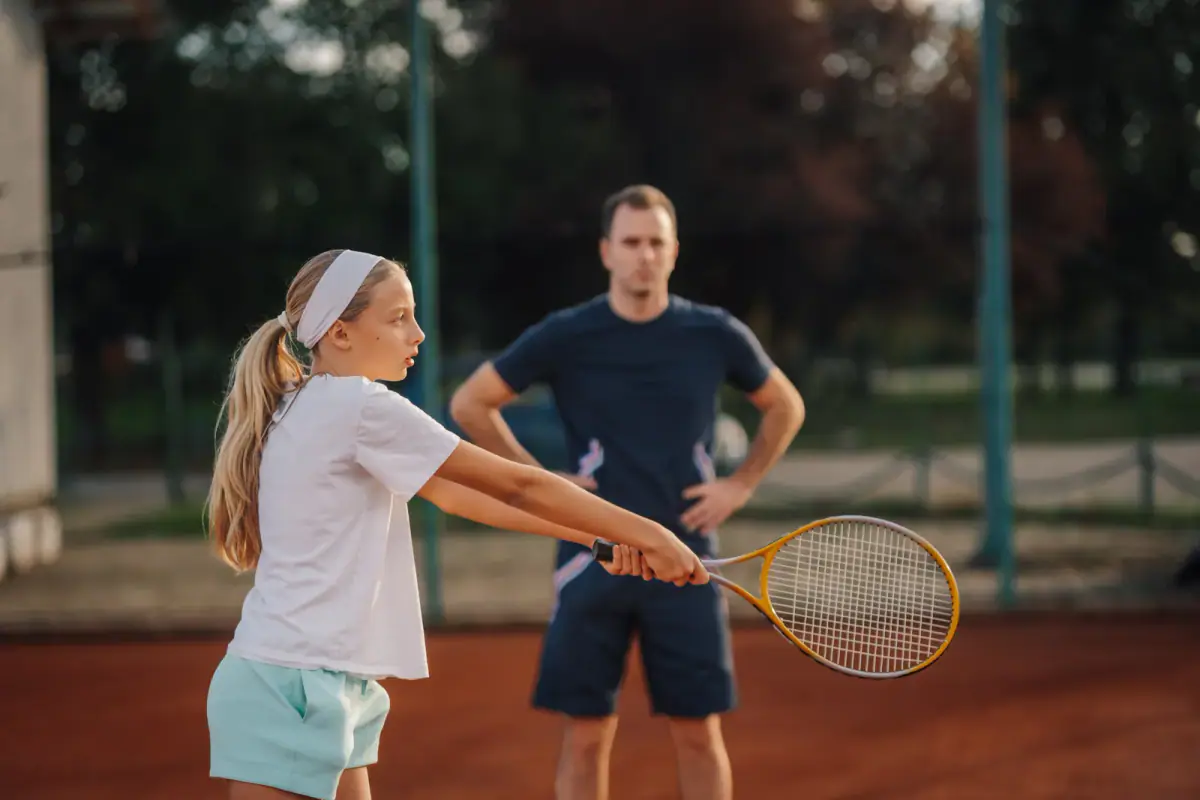
Parents should generally be able to watch youth training sessions, either live or through an agreed observation window, and the coach’s job is to write down the rule before the first session. The trade-off is real: an audience can distract a young athlete, while an empty room with a minor removes a layer of protection for both sides. A clear policy, set up in a private room you control, resolves it. For the facility’s own house rule, ask the pro support team at prosupport@flexwerkfitness.com before you promise anything to families.
Three models, and when each fits
| Model | How it works | Best for |
|---|---|---|
| Open | Parent sits in the room for the whole session | Younger children, first sessions, nervous athletes |
| Window | Parent watches the first and last ten minutes, then steps out | Most school-age athletes |
| Closed | Parent waits outside, with agreed communication afterward | Older teens, focus-heavy skill work |
Pick one as your default and state the exceptions. Many coaches start every new family on the open model, then move to a window once trust is built.
Why observation helps everyone
A parent who sees a session understands what they are paying for, which shortens the renewal conversation. The athlete has an adult who has seen the coaching style, which matters if the child later describes something differently than it happened. And the coach has a witness to normal practice. These are safeguarding benefits, not just customer service. A background check and a visible policy, as covered in background checks for youth coaches in Indiana, complement an open door.
Why closed sessions sometimes win
Young athletes can perform for their parents. A child who is eager to impress, or who dreads a mistake in front of a parent, often tries harder and learns slower with a watching adult. Older teens may want some independence. If you use closed sessions, protect the athlete and yourself:
- Get a signed parent agreement that describes closed sessions.
- Tell the parent how long a session lasts and when it ends.
- Keep the door unlocked and the booking visible to another adult.
- Send a short written summary after each session.
- Never meet a minor alone outside a booked, documented session.
The policy to write
A one-page room policy should say:
- Where parents wait or sit.
- Which model applies to which age group.
- Phones and filming: whether parents may record, and whether you may film the athlete with written consent.
- How feedback is delivered: during, after or in writing.
- What happens if a parent disagrees.
- Who is responsible for the child before and after the session.
Share it at intake, ask for a signature and keep a copy. If a parent wants to join the training itself, that format is described in parent and athlete joint sessions.
Scripts that work
At intake: “I like parents to watch the first and last ten minutes, then wait in the area outside so your athlete can focus. I will send you a summary after each session.”
For a hovering parent: “I notice your daughter looks at you after each rep. Would you mind stepping out for this block so she can work on her own cues? I will tell you everything afterward.”
For a parent who wants closed sessions: “I am comfortable with that if we sign the closed-session agreement and I send a note after every session.”
Where this fits in your business
Policies are part of pricing and positioning, because they decide how much time you spend on parent management. If you are building a youth practice, see how to price small group youth sessions and how to communicate with parents of teen athletes. Private rooms at FlexWerk rent by the hour from $18 to $22, and eligible solo renters can use a free first hour through a host, so you can walk the space with a parent in mind before the first session. The private workout space page explains how booking works.
Related questions
Does the facility allow parents in a booked room?
That is a house rule, and this page cannot state it for you. Ask the pro support team or check the app before you promise parents anything, and then write the answer into your own policy.
Is a closed-door session with a minor ever appropriate?
Many coaches avoid it. If you offer it, use a written parent agreement, tell the parent when sessions are closed, and consider a policy that another adult is always aware of the session.
How do I handle a parent who hovers?
Set the expectation at intake: where parents sit, when they step out, and how feedback is shared. A short script, delivered kindly and early, works better than correcting it mid-session.