
Pricing Small Group Youth Speed and Agility Sessions
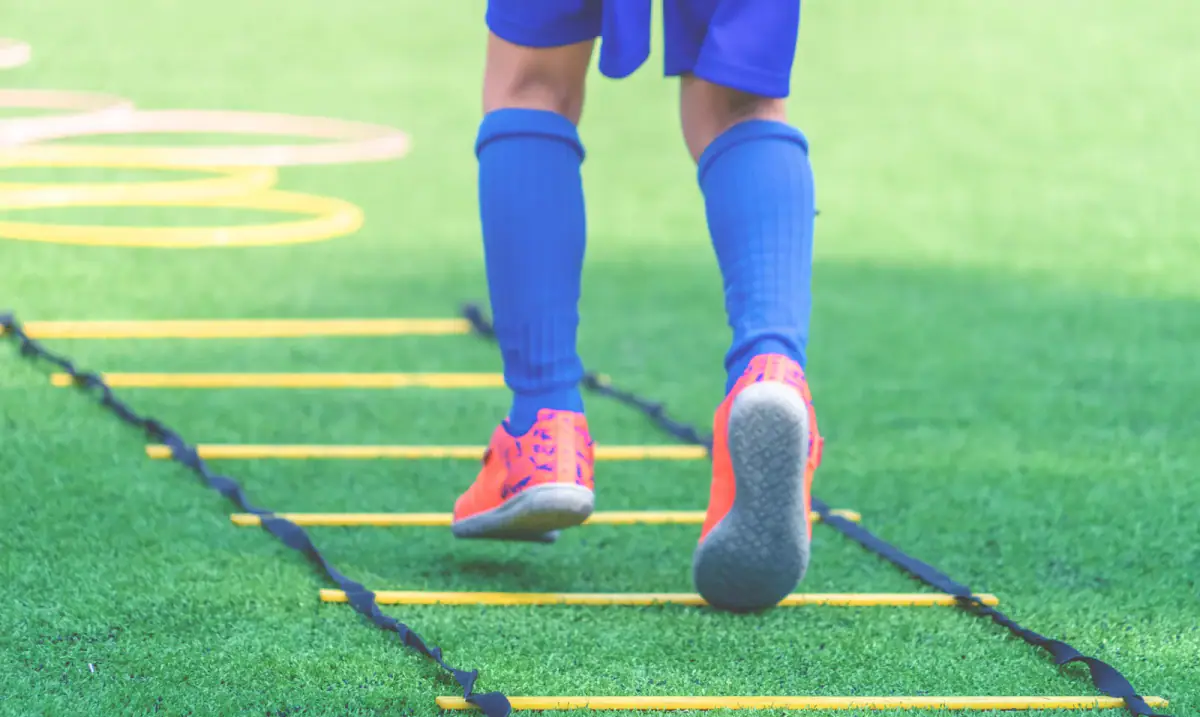
Price a small group youth speed and agility session by taking your private rate as the anchor, setting a per-athlete rate at a share of it, capping the group at four, and selling blocks of sessions to parents who each pay individually. The reason to run groups is simple: the same hour of your time earns more with four athletes than with one, as long as the per-athlete price still feels fair to each family. Run your own numbers in the calculator before you publish a price.
The arithmetic: share of the private rate
No verified local rate exists for this niche, so build yours from your own private rate, which we will call R. The group rate per athlete is a fraction of R, and your total for the hour is that fraction times the headcount.
| Athletes | Per-athlete rate | Hour total | Why it works |
|---|---|---|---|
| 1 | R | R | Your private baseline |
| 2 | about 0.6 R | about 1.2 R | Light discount, high attention |
| 3 | about 0.5 R | about 1.5 R | Partner drills still work |
| 4 | about 0.4 R | about 1.6 R | Best revenue, still personal |
These fractions are a starting point to adjust, not a market quote. If your four-athlete group is full and parents hesitate at the price, your fraction is too high; if it fills in a week, test a higher one. The structure is the same logic used for billing semi-private clients, where each person pays separately and the seat price sits between a half and three quarters of private.
Why four is the ceiling
Speed and agility coaching is cue-heavy. A coach watches foot contacts, arm swing and change of direction, and says one thing to one athlete at a time. With four athletes, a rotation of drills gives each child a turn every thirty to forty seconds. With six, the queue grows and the standing time turns the session into a lesson in waiting. A larger room that holds four guests suits this format; a smaller one fits one or two athletes. If a team wants more, run two sessions back to back.
Sell blocks, not drop-ins
Parents buy a plan. A six or eight week block with a defined start and end date, a fixed day and time, and a short progress note at the end gives families a reason to commit and gives you steady attendance. Charge the block up front per athlete. Set a make-up rule: one missed session can be made up in another group within the block, and beyond that the session is forfeited. A written policy avoids the awkward text on a Friday night. How long to hold a package open is covered in whether training packages should expire.
Parent expectations and communication
Tell parents what the block includes: the number of sessions, the focus (acceleration, deceleration, change of direction), what athletes should wear, and how you will update them. A weekly one-line summary is usually enough. The communication framework is in how to communicate with parents of teen athletes, and whether parents may watch is a separate policy covered in whether parents should watch youth training sessions.
Your costs for the hour
A private room at FlexWerk books by the hour for $18 to $22, and you keep everything you charge. That cost is the same for one athlete or four, so every additional athlete adds almost pure margin. Insurance and software are on top of that, as for any coach. If a minor-specific question arises, such as readiness for a first strength session, it belongs with what age kids can start strength training. Pick your anchor, fill one group of four, and book your first room hour when the roster is ready; the first hour is free for fitness professionals.
Related questions
How many athletes should be in a small group session?
Four is a practical ceiling for speed and agility work in one room. Past that, you lose individual cueing and the drills slow to the pace of the longest queue.
Should a younger group pay less per athlete than an older one?
Price by the attention and complexity the session needs, not by age. Younger athletes often need more cueing per rep, which argues against discounting them.
What if only two athletes show up?
Decide before the season. Either the session runs at the reduced headcount at each athlete's normal rate, or you set a minimum and tell parents how a short group is handled.