
Can Yoga Teachers Make a Living Teaching Privately?
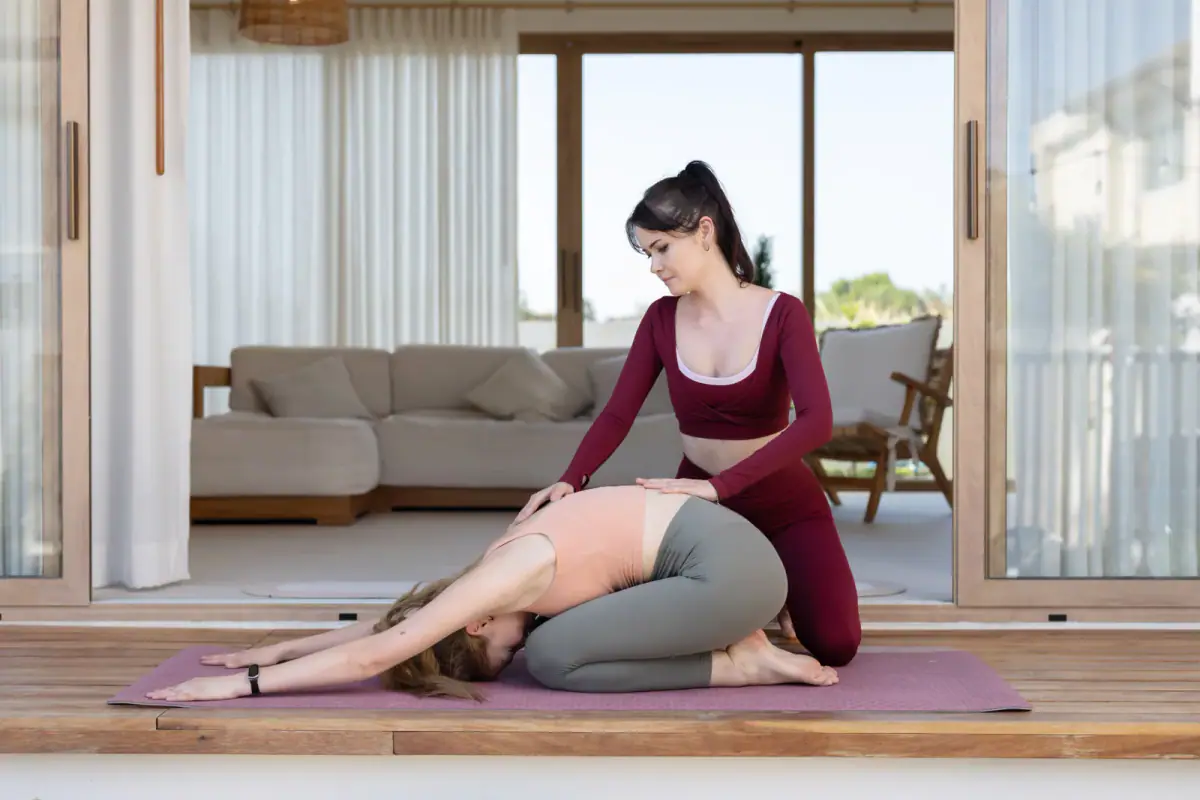
Yes, yoga teachers can make a living teaching privately, and the math is more modest than the internet suggests: roughly 15 to 25 paid sessions a week at private setting rates of $75 to $125 supports a full time practice once cancellations and costs are counted. The harder part is not the arithmetic but building the student base to fill those slots, which is why this guide runs the numbers first and the pipeline second. A private room for the teaching hours is covered by the yoga instructor private space page.
The weekly math, built from the bottom up
Work backwards from the income you want. Here is an illustration with round figures you should replace with your own; it is a planning model, not a promise of earnings.
| Line | Example |
|---|---|
| Sessions booked per week | 20 |
| Typical rate | $90 |
| Cancellation drag (about one in ten) | 18 sessions delivered |
| Weekly revenue | 18 x $90 = $1,620 |
| Room cost (18 hours at $20) | $360 |
| Insurance, software, supplies (spread weekly) | a modest fixed amount |
| Weekly take before tax | roughly $1,200 before those fixed costs |
Multiply by about 46 working weeks, since holidays, travel and slow weeks are real, and you can see the annual picture. Change the rate, the weekly count or the room cost and the answer moves with it, which is exactly why the calculator exists. The same method works for any independent professional; what independent trainers actually take home shows it on a personal training schedule.
Why 20 sessions is not 20 hours
A working week is longer than the teaching hours. For each lesson you carry prep, notes, messages, scheduling, marketing and, if you travel, driving. A teacher delivering 20 sessions often works 35 to 45 hours in total. Use that ratio to protect yourself: if your plan requires 30 sessions to reach your income target, the real week is not sustainable. Either raise the rate, add duets or reduce costs.
Where the rate comes from
The north metro private band of $75 to $125 per session is a market range for one on one instruction in private settings, drawn from the personal training market, and a yoga teacher’s rate lands inside it depending on experience, niche and demand. How to price private yoga lessons breaks down session length, travel and corporate tiers. Compare that with the other income streams: job boards and public wage data put hourly gym instructor pay in the mid 20s, which is why many teachers shift hours toward privates once they have demand. The yoga instructor pay breakdown lays out the four streams side by side.
Cancellation drag, honestly
Every private practice loses sessions to illness, travel and schedule changes. Budget for about one in ten and manage it with three habits:
- A written policy with a clear window, such as 24 hours’ notice.
- A package structure, where students prepay a block and the policy is part of the package.
- A waiting list, so a cancelled slot can be refilled the same week.
None of these removes the drag, but together they keep it at a level your plan can absorb.
Where the students come from
Revenue follows pipeline. The usual sources for a private yoga practice, ranked by how reliably they convert:
- Your own classes. Students who already like your teaching are the warmest leads.
- Referrals. Physicians’ offices and physical therapists may refer clients who need gentle movement, within their own clinical judgment; you do not diagnose or treat.
- Corporate. Carmel has more than 100 corporate headquarters, and employers buy wellness sessions in blocks.
- Athletes and parents. See selling private sessions to teams.
- Older adults. Chair based and restorative formats suit this group; chair yoga for private clients covers it.
Plan for the first six months as a ramp, not a launch: a handful of students in the first month, a steady dozen by the third and a full calendar only after a year of referrals. The first year after certification describes the same slope for trainers.
A slow week and a strong week
Averages hide the swings. A strong week might fill 22 slots with only one cancellation; a slow week around a holiday might fill 12. The plan works if the strong weeks pay for the slow ones, which means you should avoid spending against your best week. Set your living costs against the average of a typical month, hold a buffer of a few weeks of expenses and use slow weeks for the unpaid work that grows the practice: follow up notes, a referral coffee, a new offer.
Hourly rooms help here because the cost falls with the schedule. In a slow week you book fewer hours and pay for fewer hours, while a lease keeps billing whatever the calendar looks like. That flexibility is the difference between a practice that bends and one that breaks in its first quiet month.
What keeps the model solvent
- A room cost that scales with sessions, not a monthly lease. At FlexWerk in Carmel, rooms rent by the hour from $18 to $22, with no lease or membership, and the first hour is free for fitness professionals.
- Packages and recurring weekly slots, so revenue is predictable.
- A second stream, such as a small group or a workshop, to smooth slow weeks.
- Insurance and a clear intake, so a claim does not end the business; yoga teacher insurance cost covers the policy side.
Is it worth it?
If you want a calm, high touch practice and can build a pipeline, yes. If you need a guaranteed paycheck on day one, keep a part time job during the ramp. A reasonable test: book a private room for a month, teach the students you have, and record how many sessions you fill by week four. That number tells you more than any average, and the rest of the plan can be built on it.
Related questions
How many private sessions a week is a full time practice?
Most full time solo practices land in the range of 18 to 25 paid sessions, because prep, notes, travel and admin fill the rest of the week. Beyond that range quality and energy tend to suffer.
How much do cancellations really cost?
A realistic drag is one in ten booked sessions, and a clear policy shrinks it. Treat it as a built in cost when you set your target, not as a surprise.
Do I need classes alongside privates?
Many teachers keep a few classes as a lead source because students often start in a class and move to privates. The classes are a funnel more than an income center.